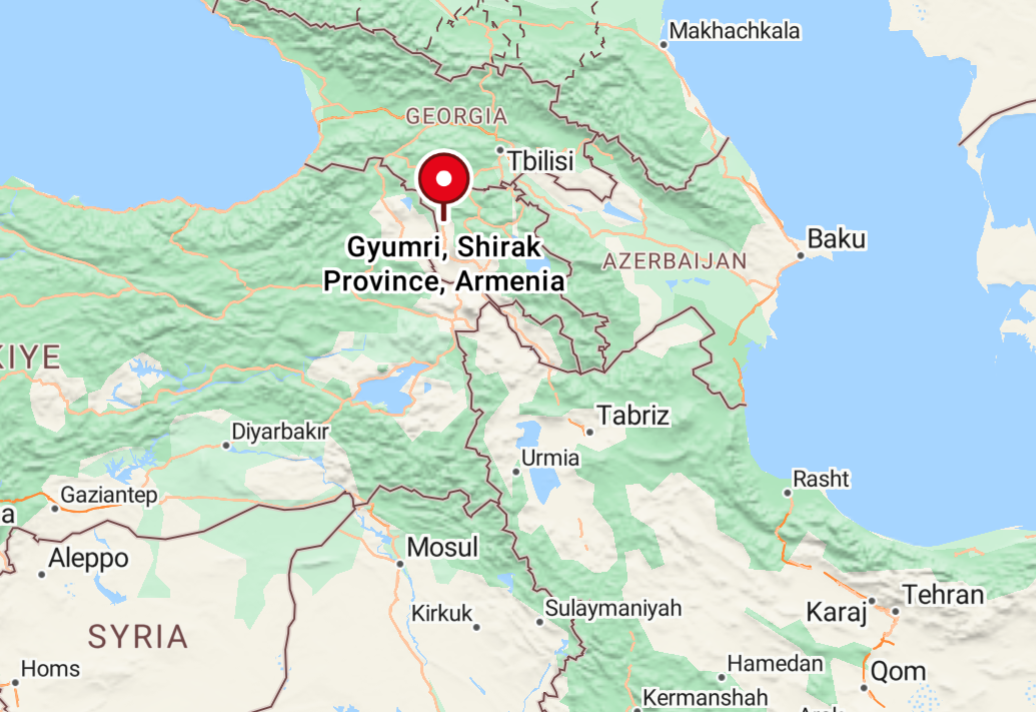
June 2026. Gyumri. Armenia.
As so often, the demographic chart for Gyumri tells you quite a lot.
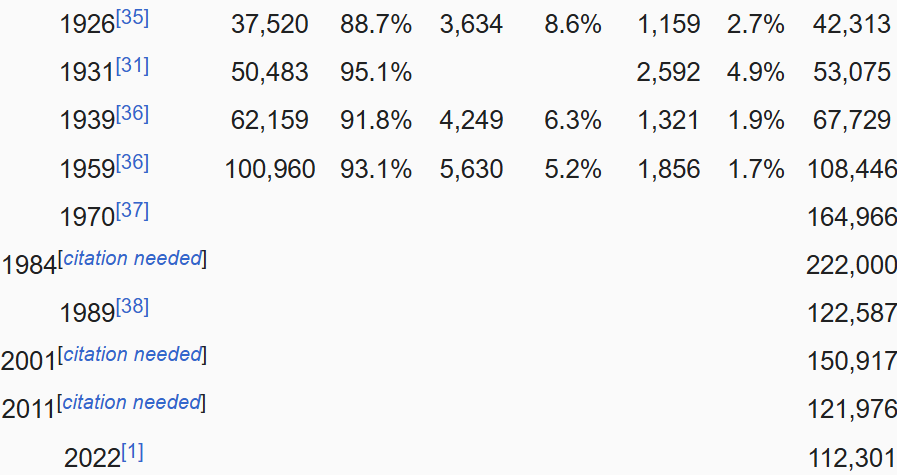
A five-fold increase in 60 years, followed by a halving of the population after natural disaster and the demise of the Soviet empire in short order.
One full day and night in Armenia’s second city is probably enough to get a feel for a place that’s still recovering from the earthquake of ’88, and the horror of that Rock Aid Armenia charity single.
So you get a lot of works-in-progress,
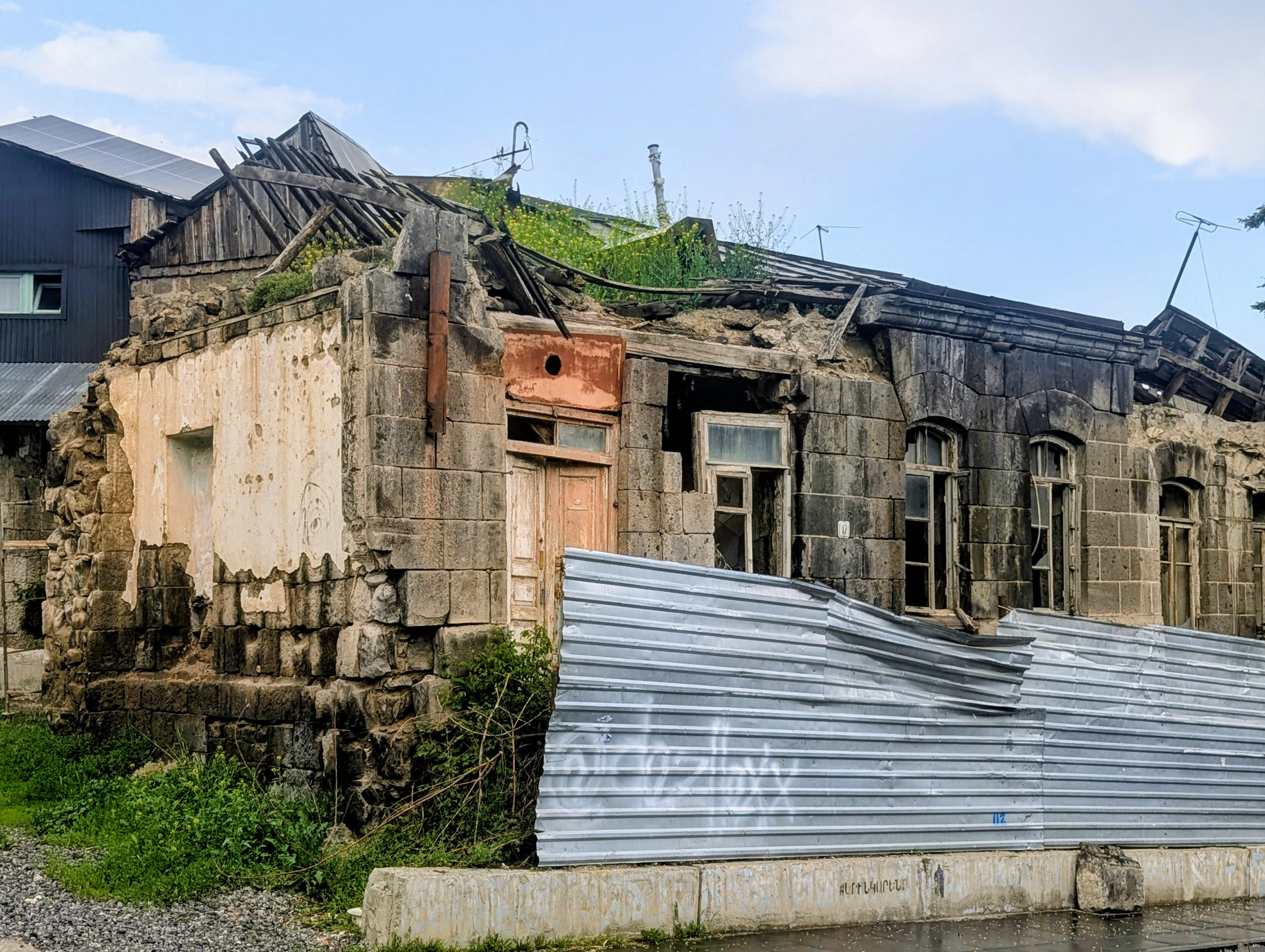
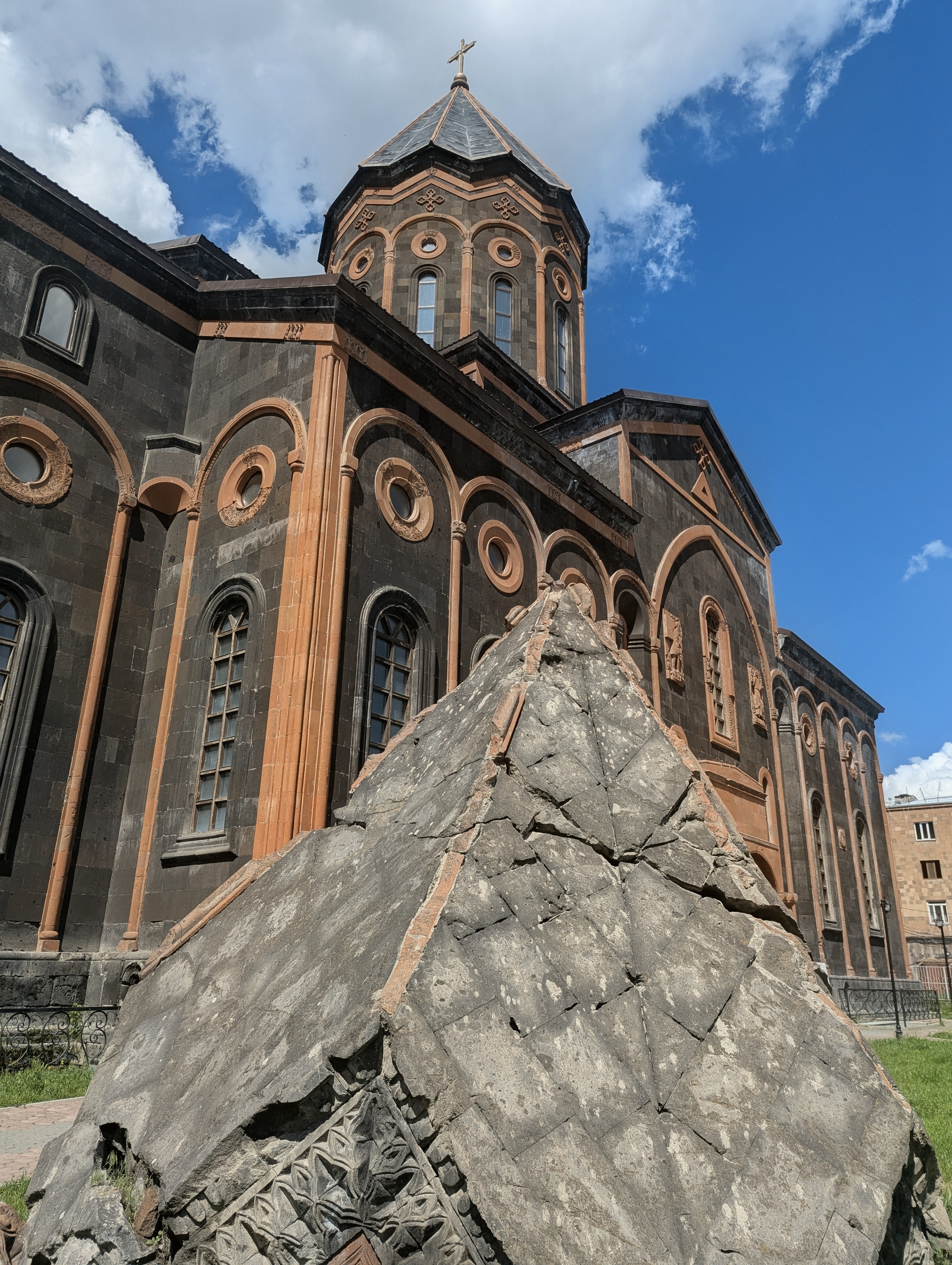
reminders of what was lost alongside the astonishing Holy Saviour’s Church,
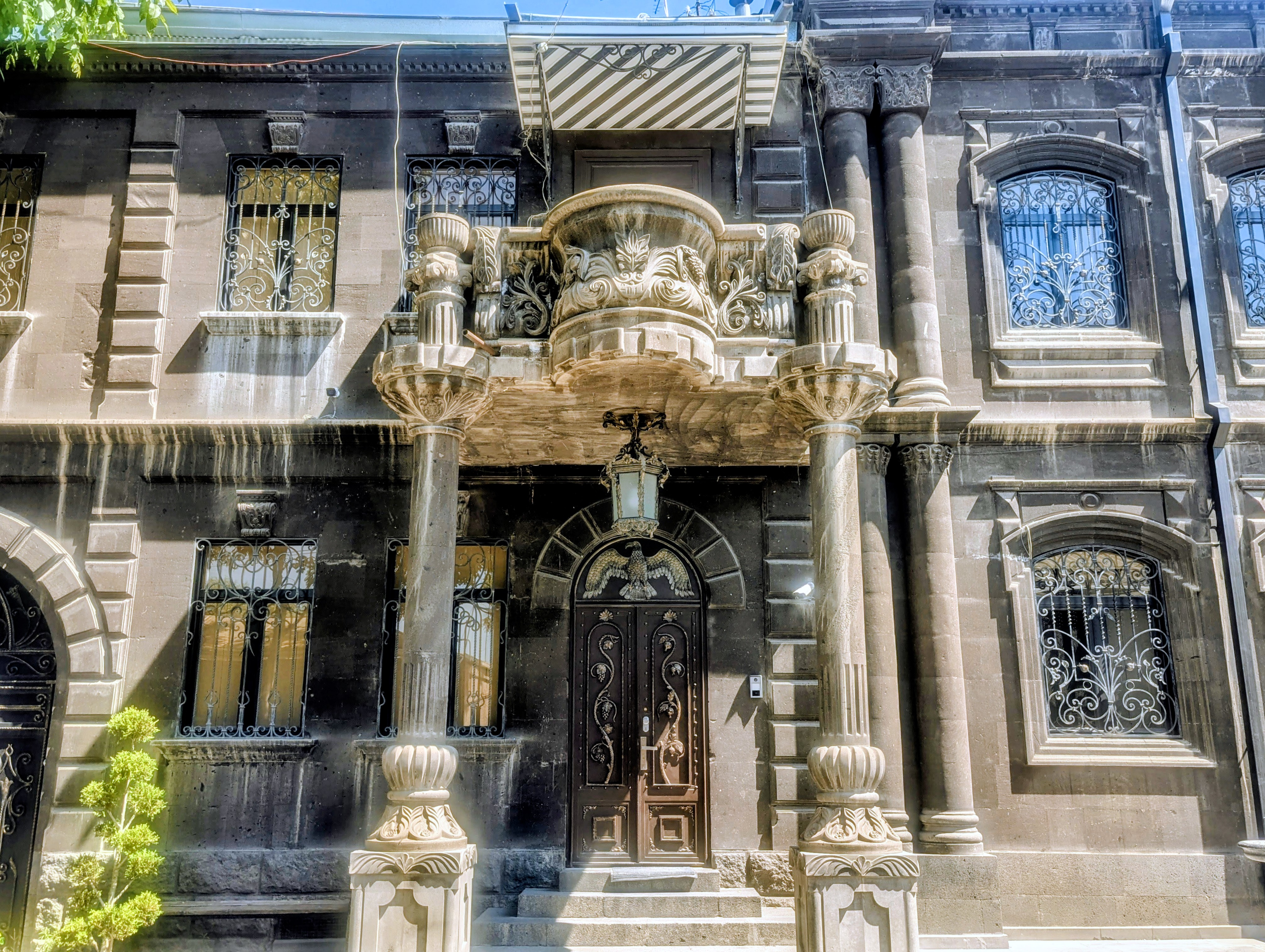
and some really interesting architecture I was determined that Mrs RM would appreciate on foot in 33 degree heat.
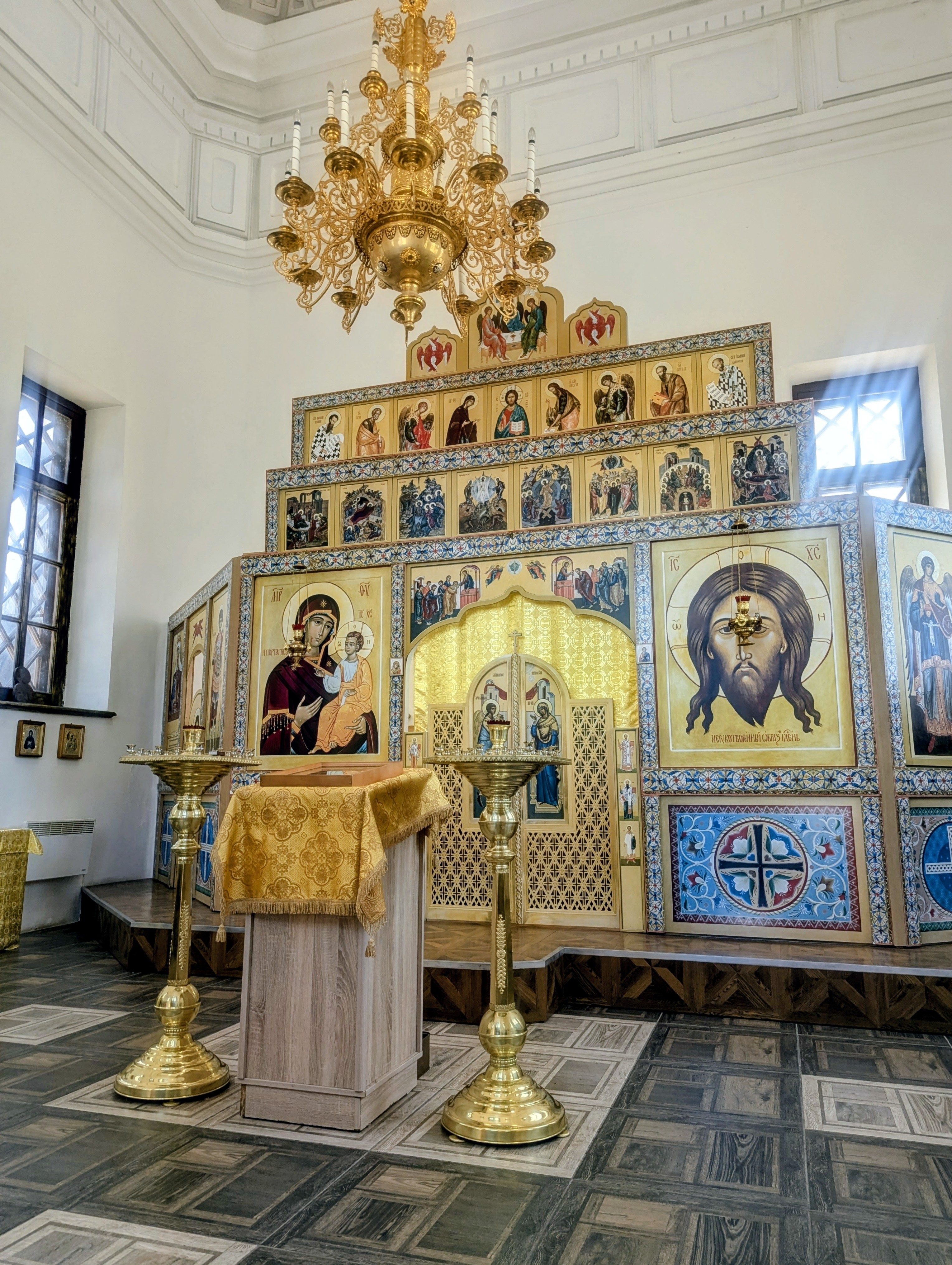
That meant an uphill slog to St Michaels beautiful interior at the cemetery,
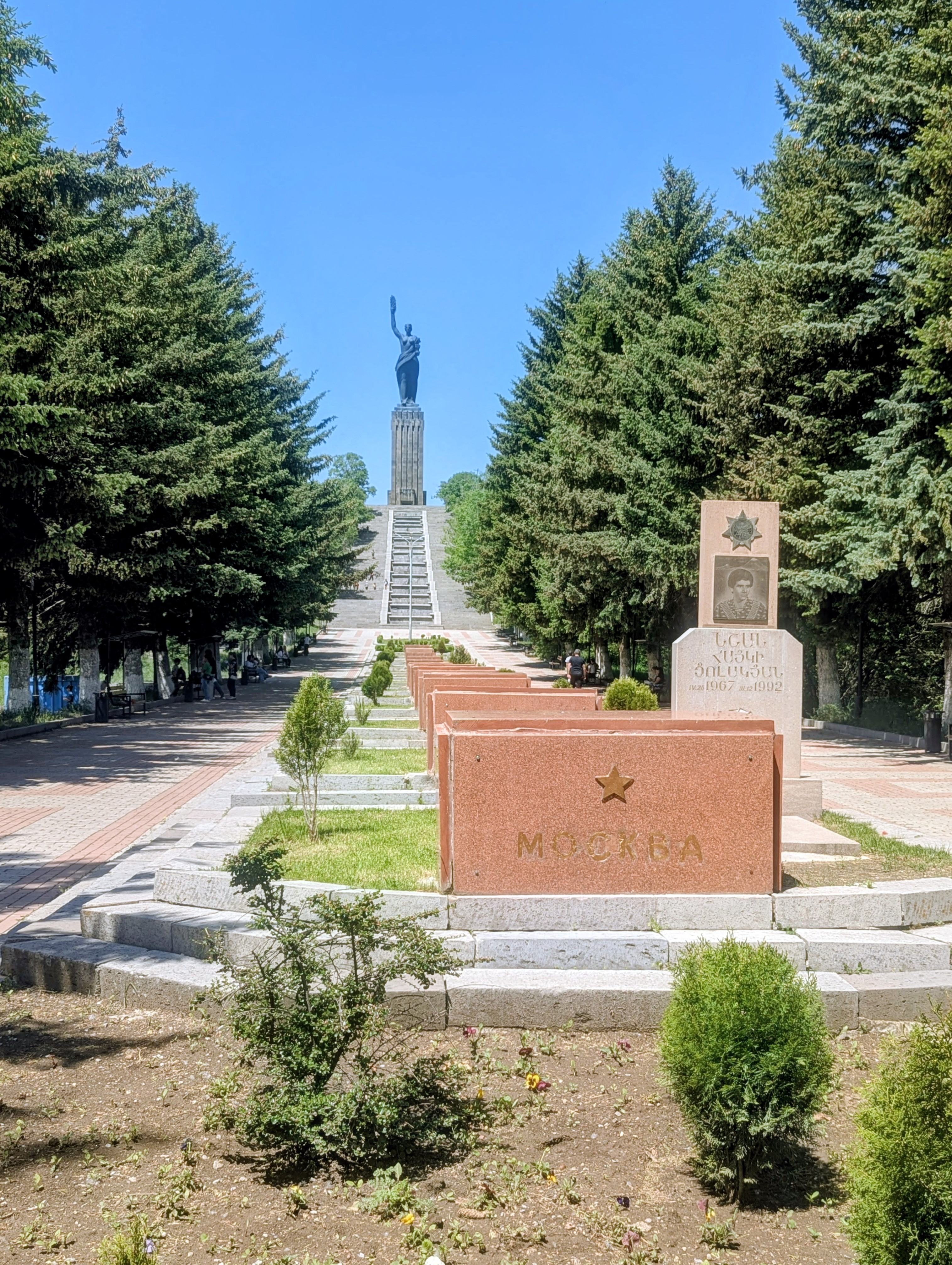
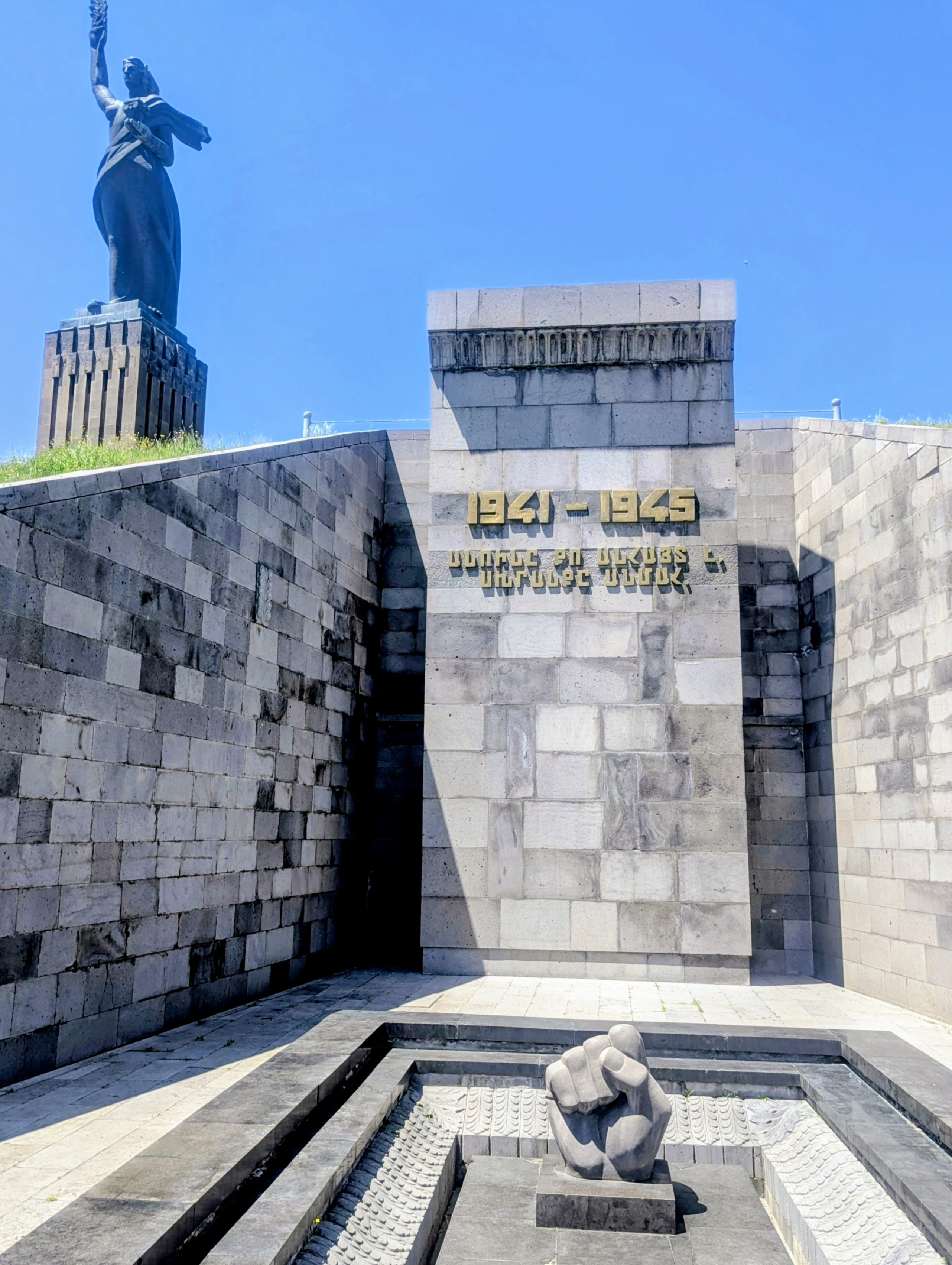
and then an uphill slog to Mother Armenia, where schoolchildren were racing up the steps as their PE lessons.
If there’s a statue, you feel obliged as a tourist to climb to it, a bit like in Maidenhead or Newport you feel obligated to brave the pedestrian underpasses on a Friday night to prove you’re tough.
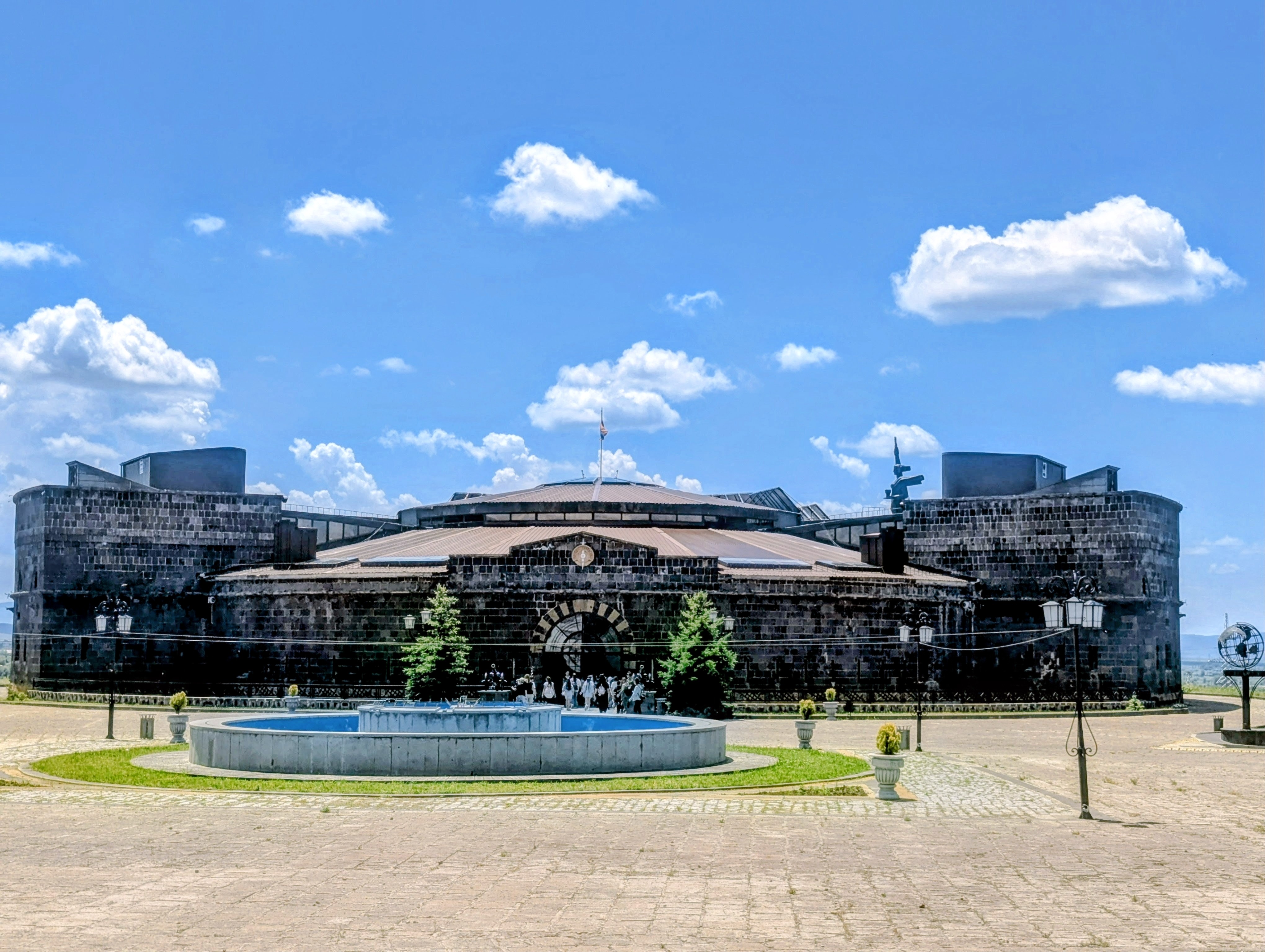
The Black Fortress, so named because it’s black, was hosting an impromptu concert of folk skipping by local schoolgirls.
But without an Untappd check-in, or toilet, it wasn’t a place to linger, and that’s when Mrs RM downloaded the Yandex App (the Russian Uber) to call a taxi to take us to the next “highlight” for £2.
You’ll see our driver takes us past Margaret Thatcher Street, commemorating the Iron Lady,
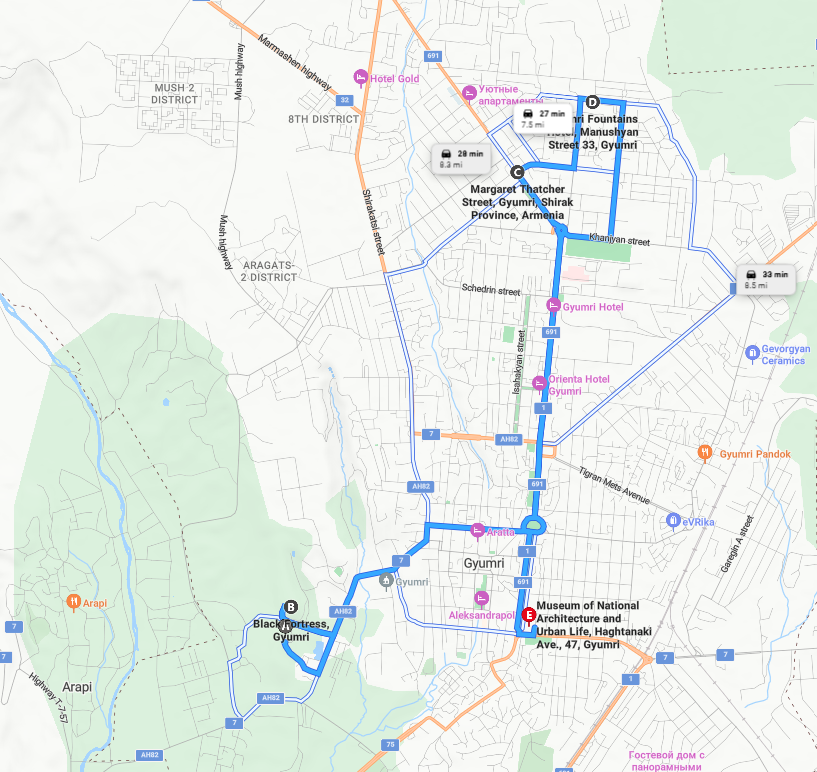
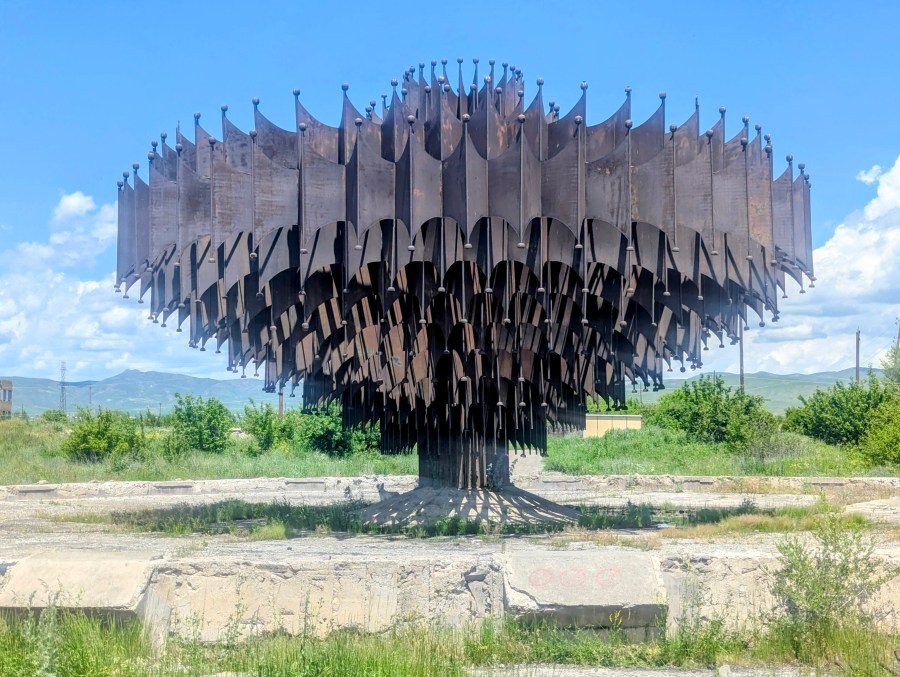
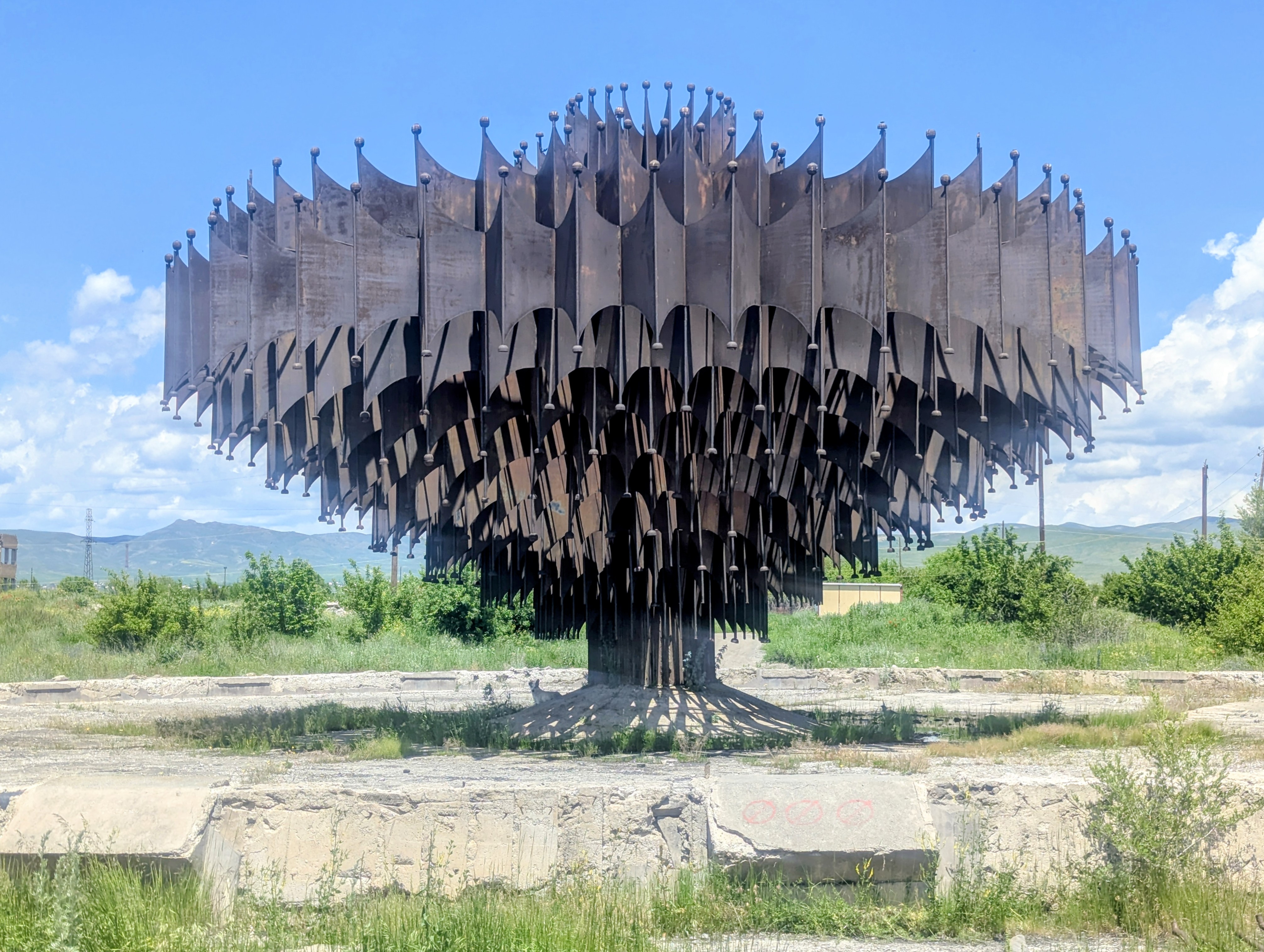
on route to the astonishing Iron Fountain, which survived the six years from construction to earthquake but now looks forlorn.
A couple of miles out of town, with only rabid dogs and a burning sun for company, we suddenly realised we should have booked a return Yandex, as it’s not a transport model that allows negotiation of the route with a driver who’s already zooming off to his next job*.
You’re never more than 50 yards away from a stray dog, or a 100 yards from a roaming Yandex driver though, and £2 later we’re dropped somewhere near the Museum of National Architecture and Urban Life, which is essential, Gyumri’s version of London’s Museum of the Home.
Not so much for the displays of craftwork, or even for the model of the pre-earthquake city,
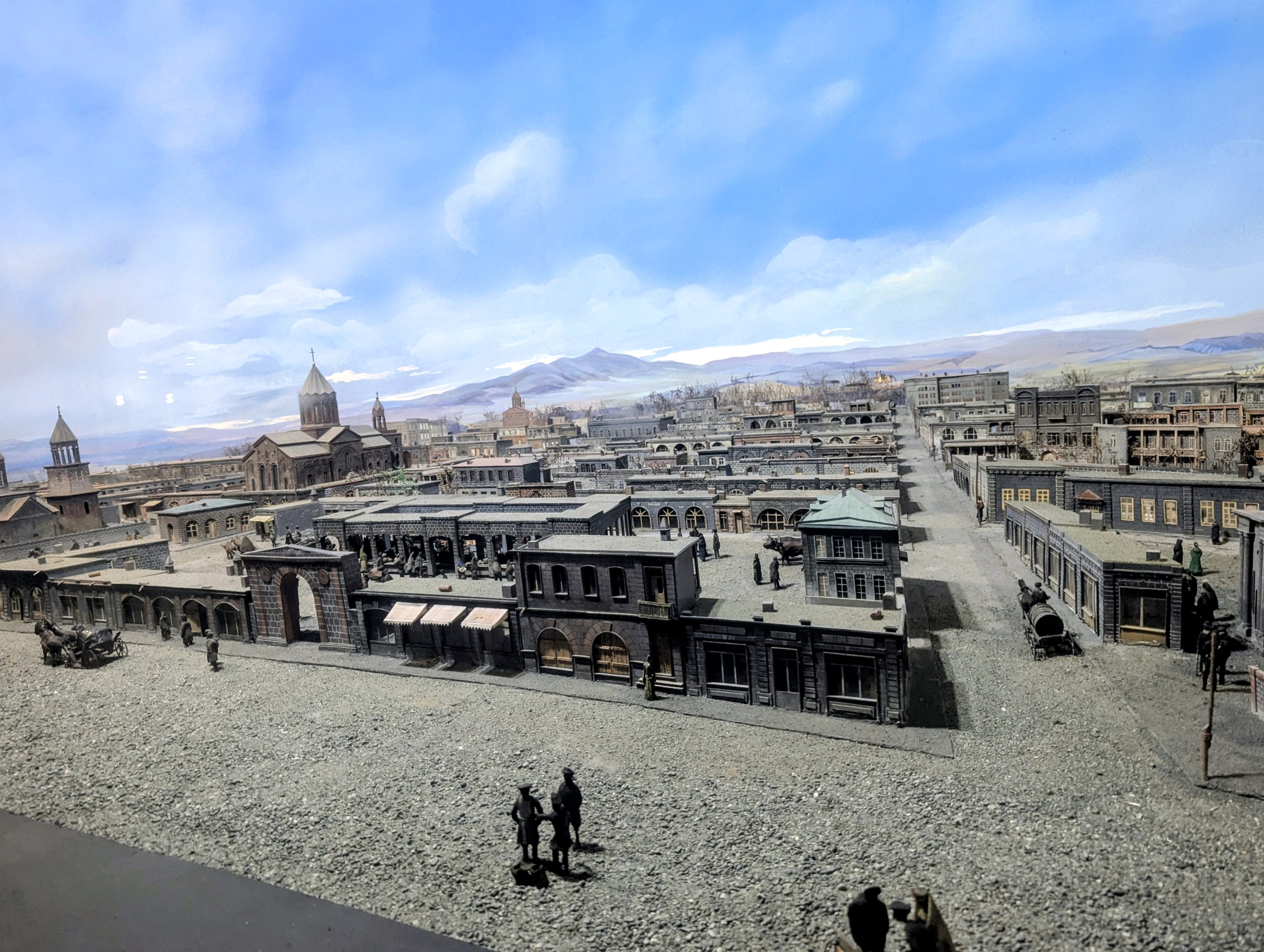
but you are guaranteed to stumble on a wedding using the main courtyard for their photos.
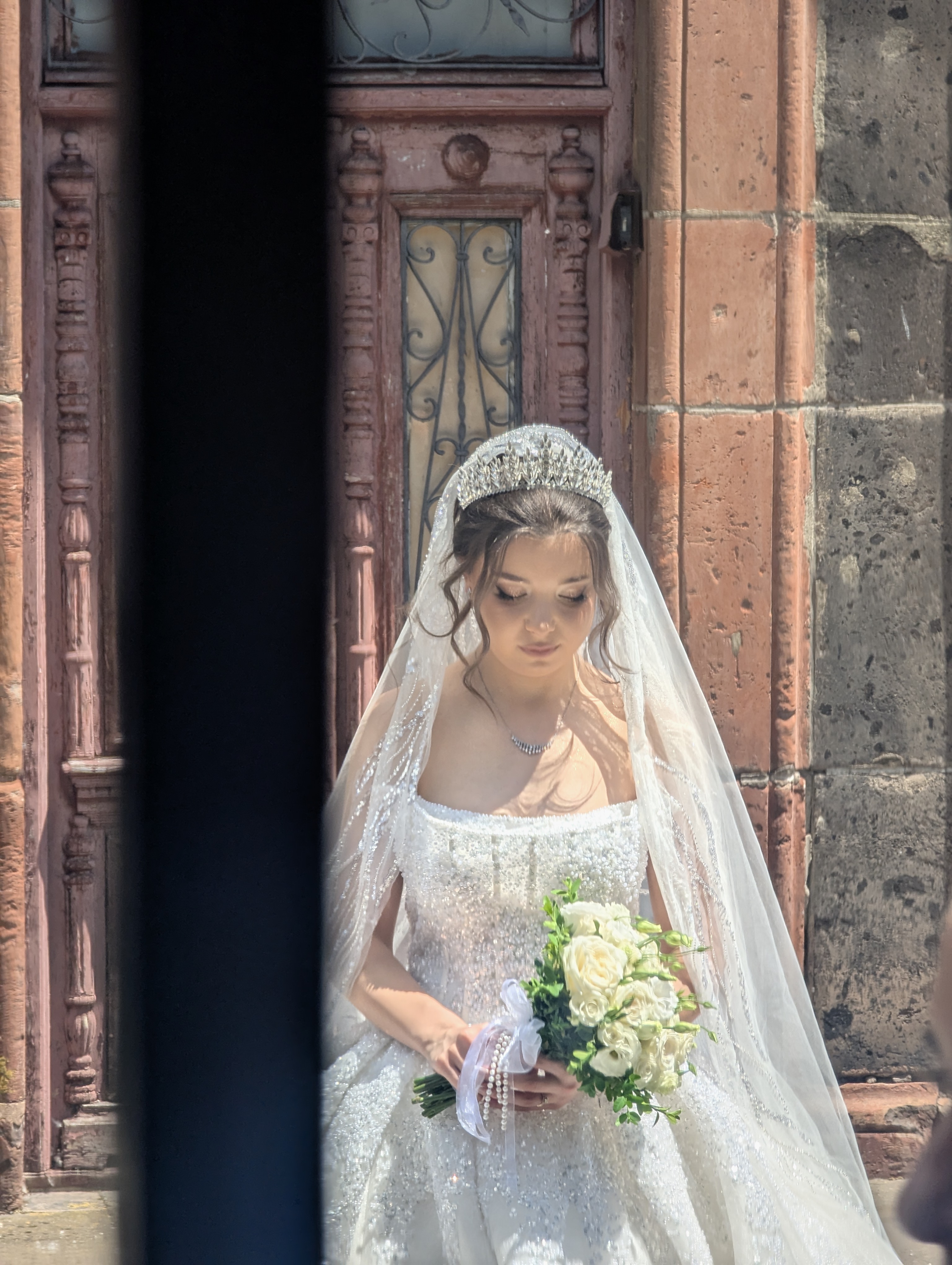
And I haven’t been invited to a wedding for a decade, so I need to gatecrash ones when I can.
*He did though show us his phone where he’d used Google Translate to tell us “It used to be beautiful“.


Thatcher visited in 1990 to open the Lord Byron School which was built and funded by Britain following the earthquake. Following her visit the street was renamed.
LikeLike
You looked that up Jon, didn’t you !
LikeLike
Yes, guilty as charged. I am no fan of Thatcher but I was curious to know what she had done to get a street named after her.
LikeLiked by 1 person
I just assumed that Gyumri was twinned with Grantham, had a Wetherspoons with poor glass collection protocols, and had a gingerbread factory.
LikeLiked by 1 person