
October 2025. Bucharest.
More cultural and culinary highlights from our 3rd day in Bucharest,
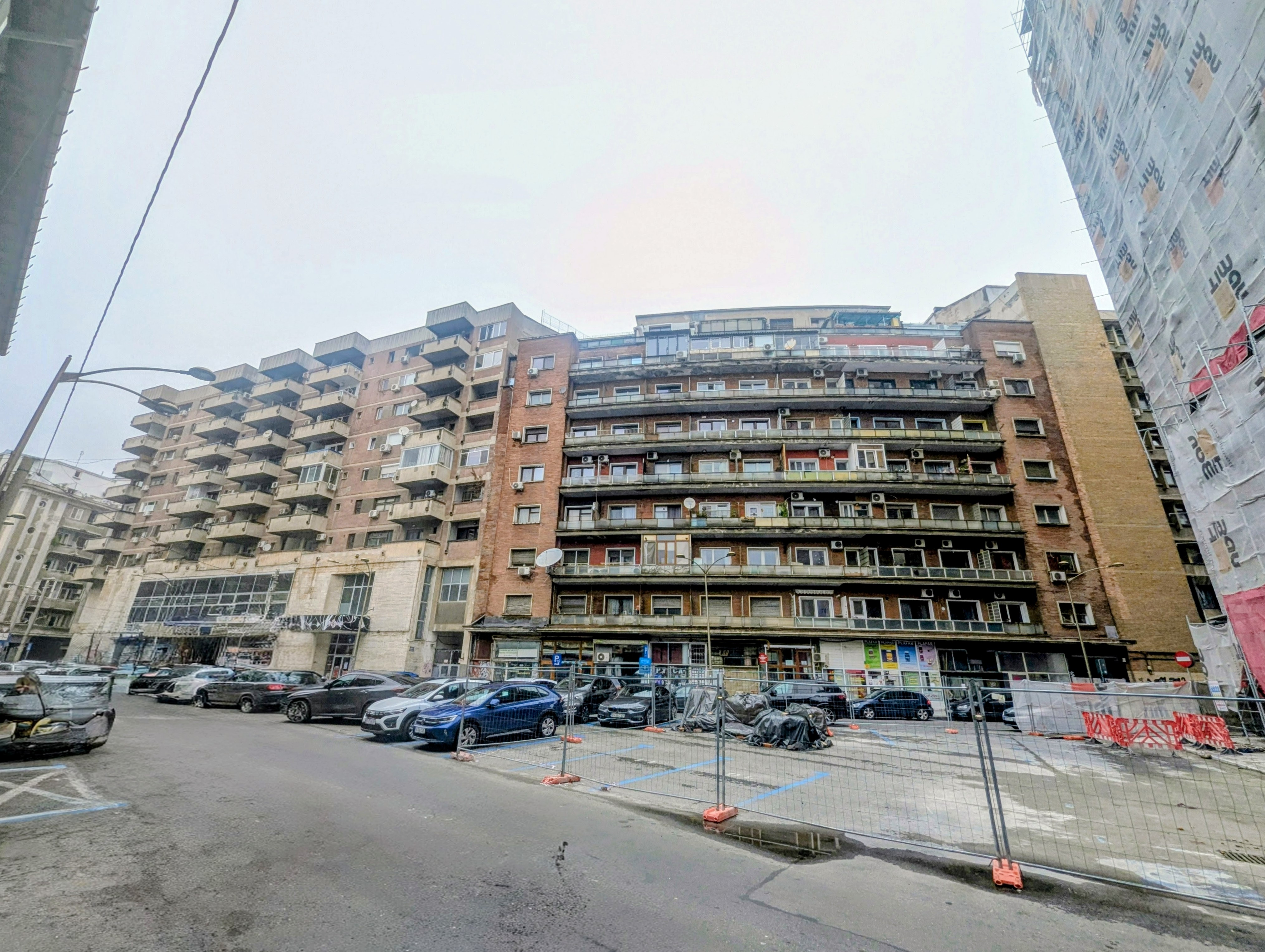
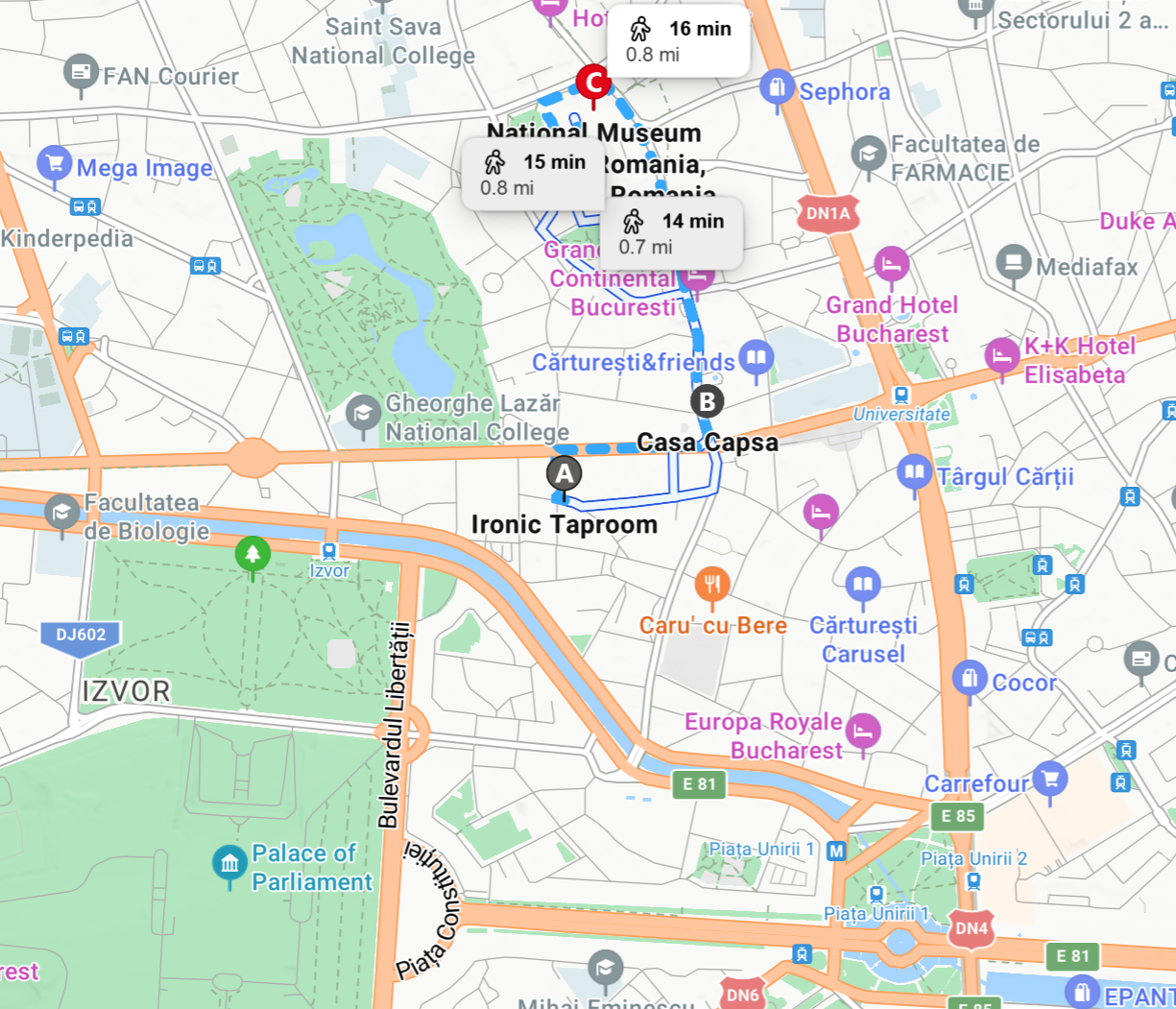
as we leave the unprepossessing surrounds of the Ironic Tap, and stumble upon this oddity;
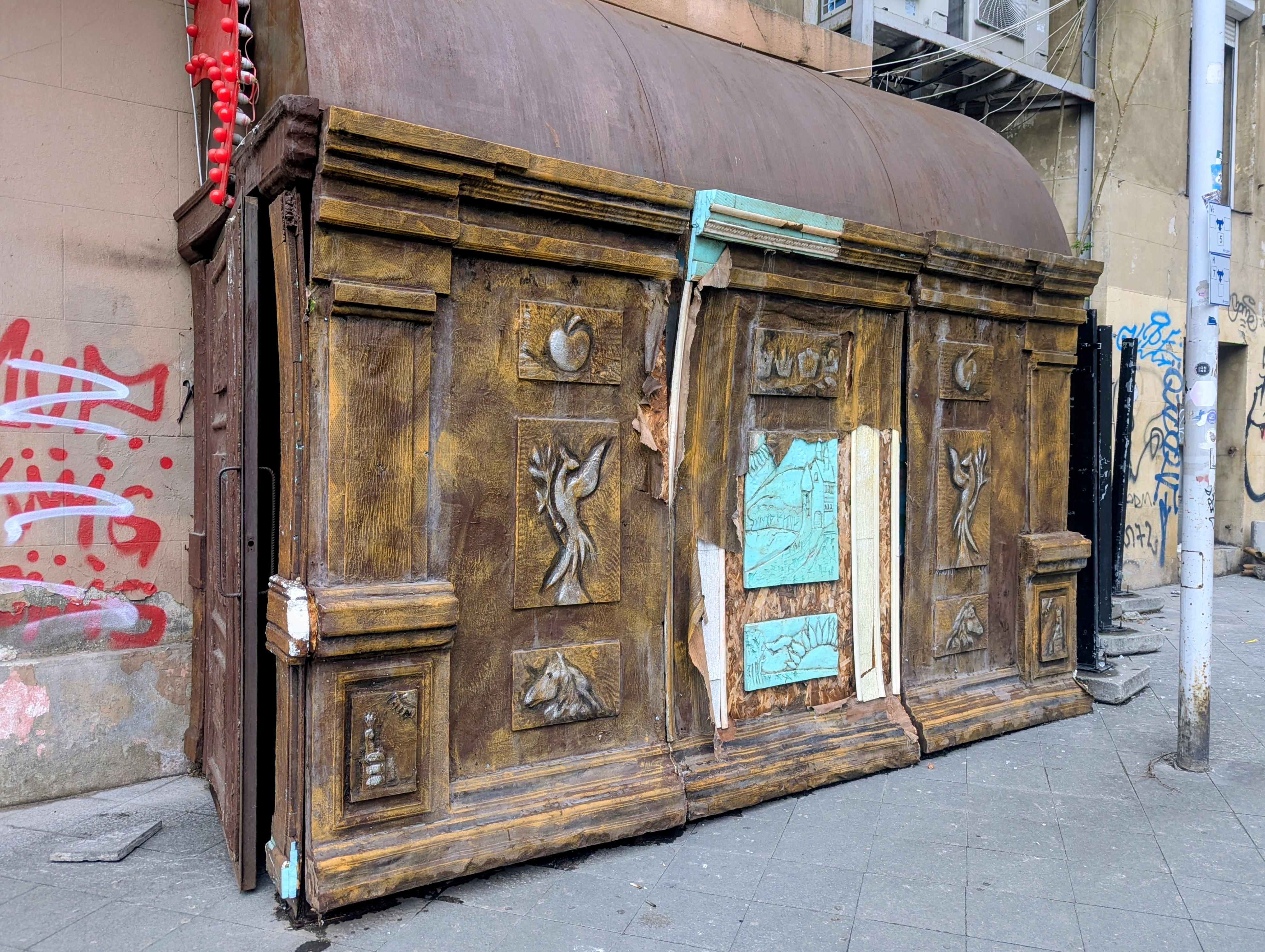
“Don’t go in there” I warn Mrs RM.
Mrs RM goes in anyway.
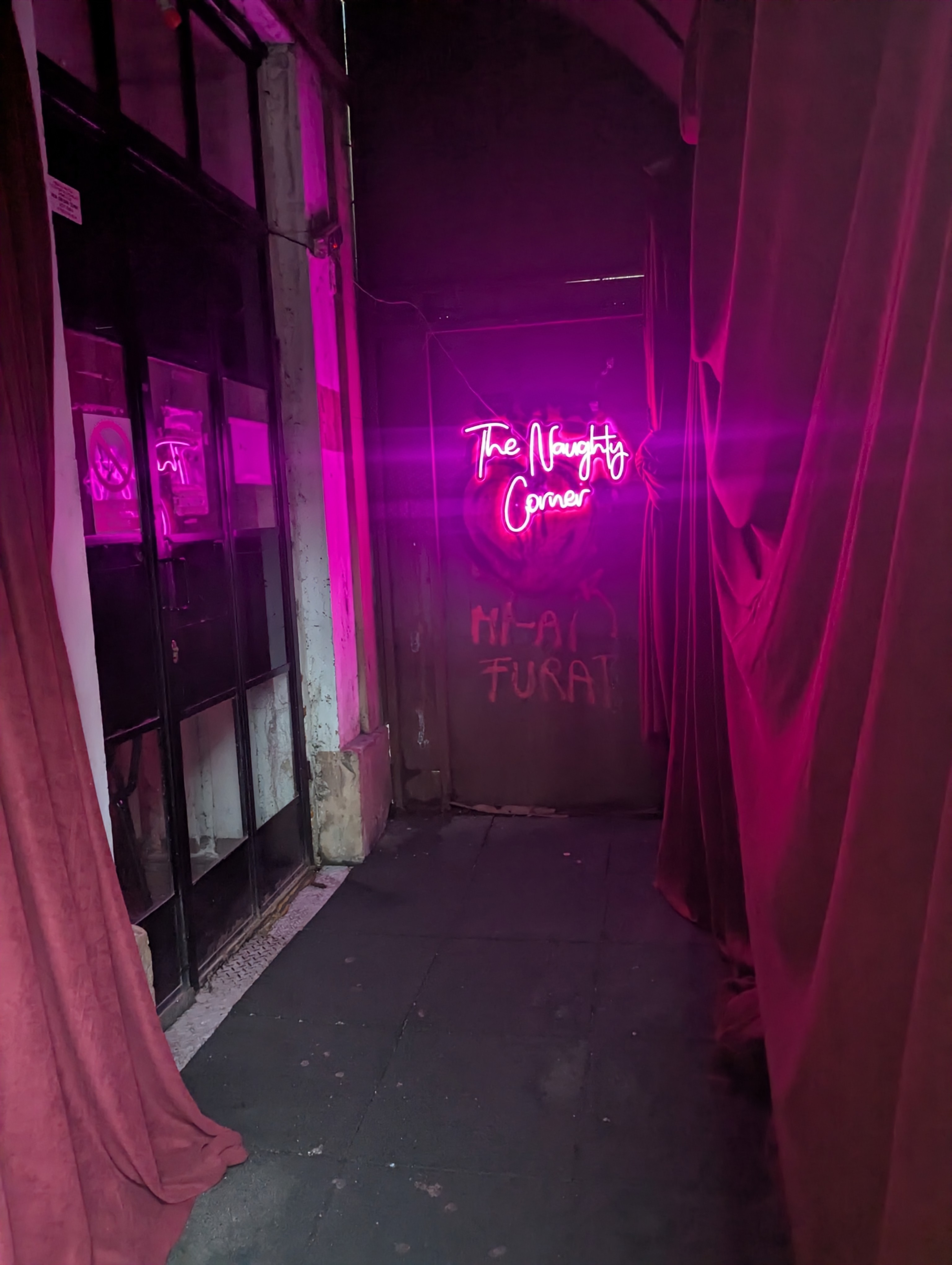
This western edge of central Bucharest (Lipscani St) isn’t that edgy, but it’s as close as the Old Town gets to Ancoats or Bedminster or Ouseburn, on a much smaller scale.
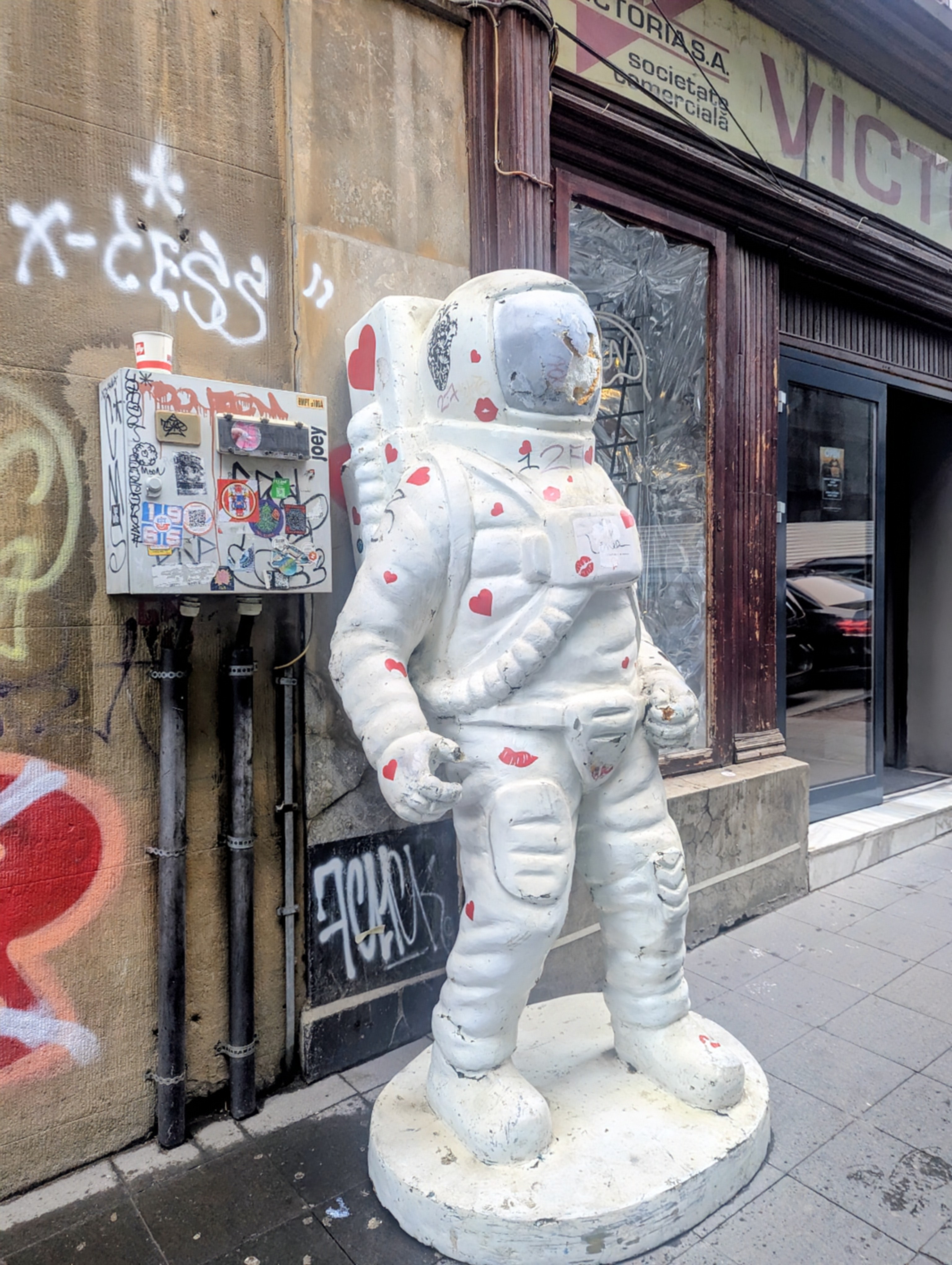
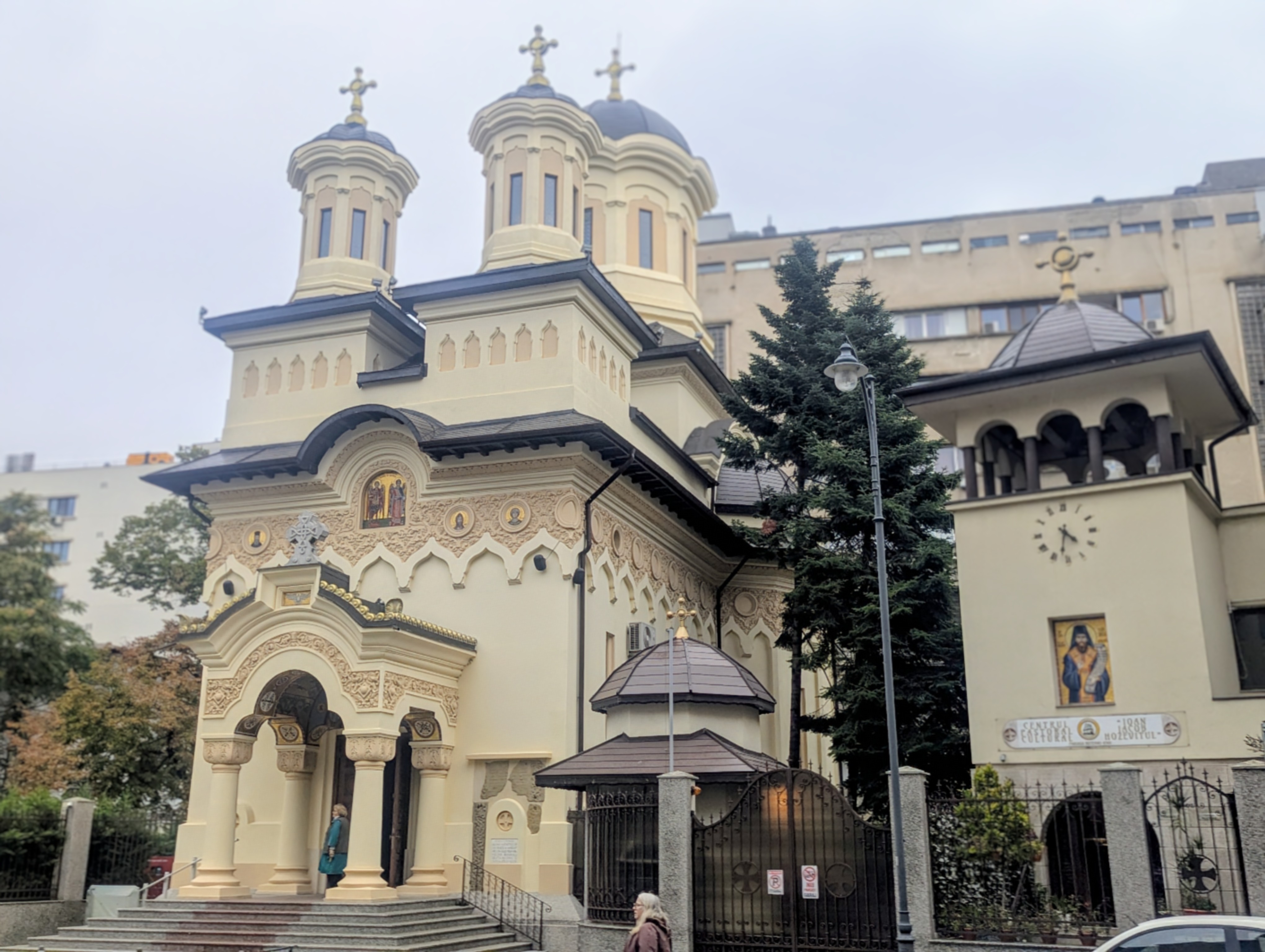
Five minutes east you’re in the pedestrianised hub, museums and rooftop bars and Othodox gems.
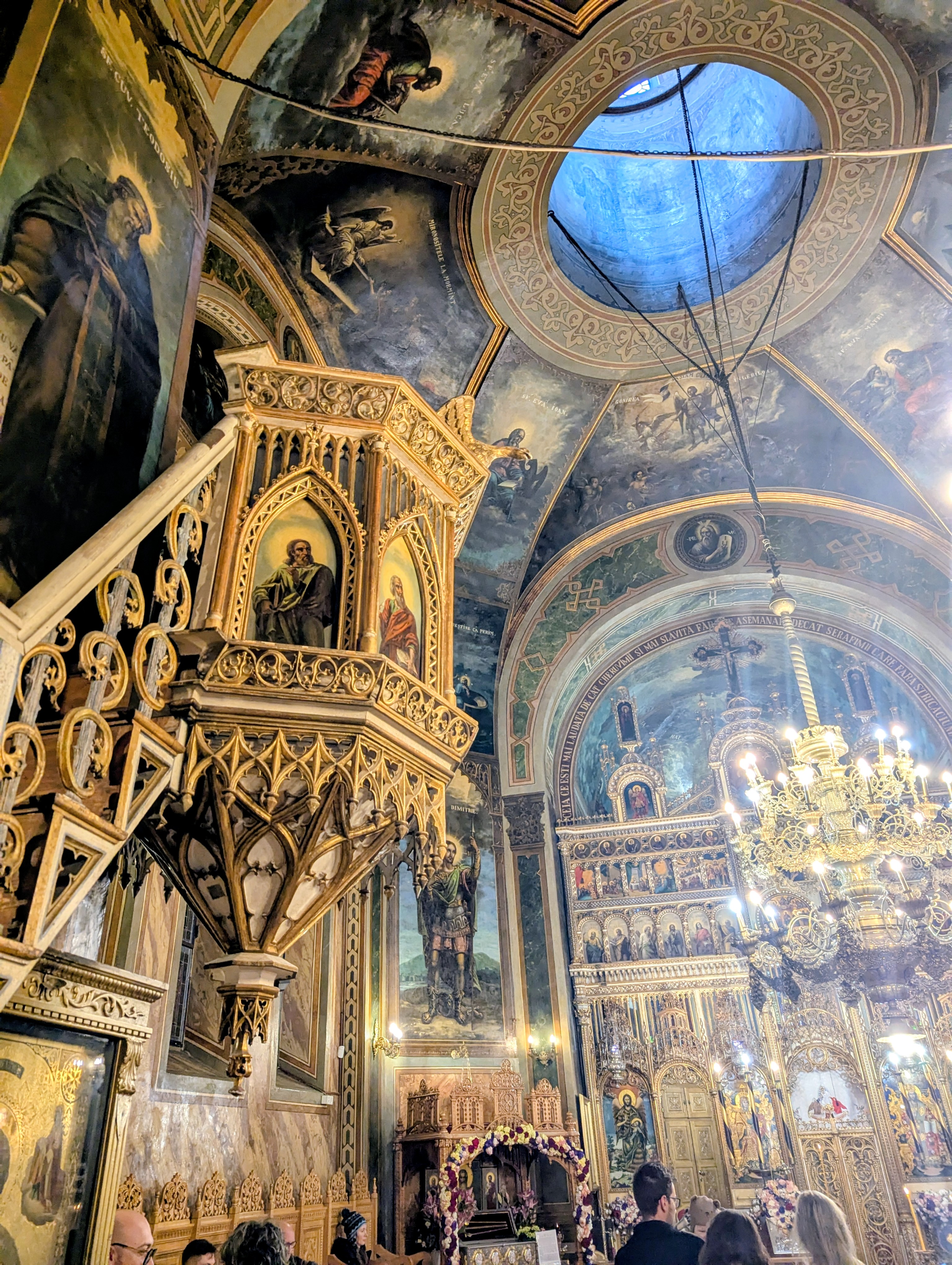
and you might think you’re visiting somewhere smart (till you get back to Bucharest North station, anyway).
Of course every smart city needs craft beer bars, and a famous tourist restaurant, and a hotel with afternoon tea.
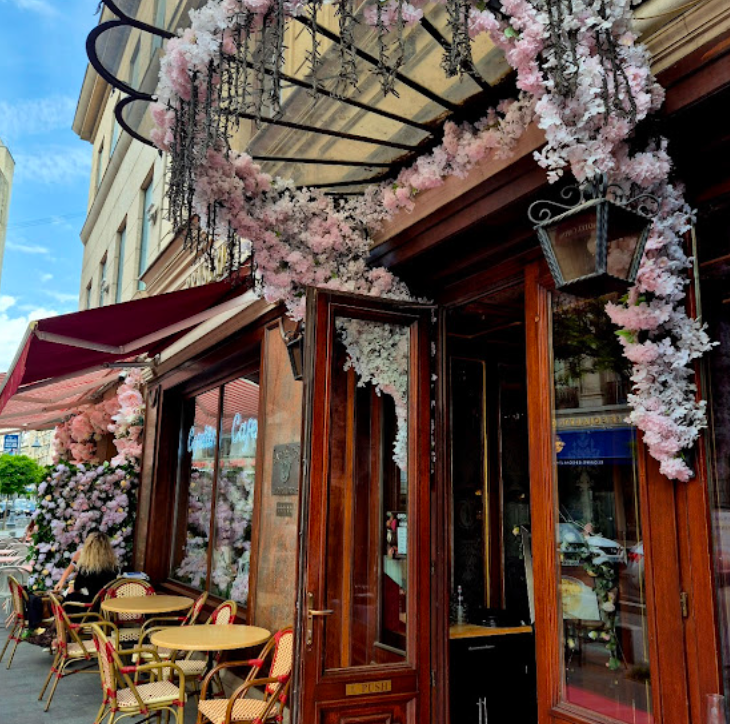
So, on Calea Victoriei, the main drag from river to national monuments, is Casa Capsa. “…the chosen venue for the beautiful people at the turn of the 20th century… it degenerated into a Communist party haunt for the illiterate and intellectually unendowed party bosses.” says Wiki.
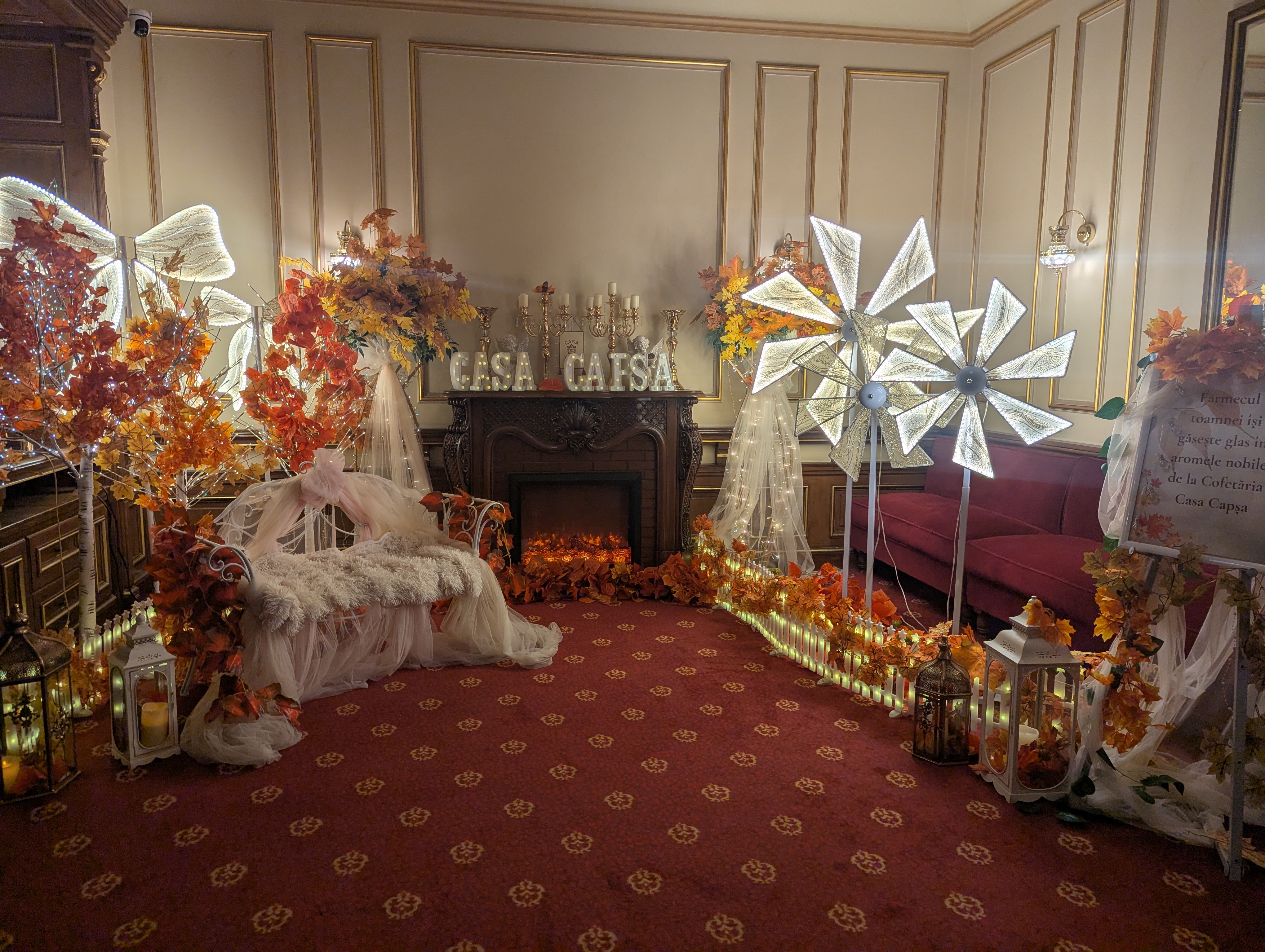
As you’ll imagine two scruffy Brits on a £200 mini-break felt right at home.

Bucharest actually felt less seedy, more modern than on our trip just before COVID, and prices weren’t always the bargains you might expect from eastern Europe.
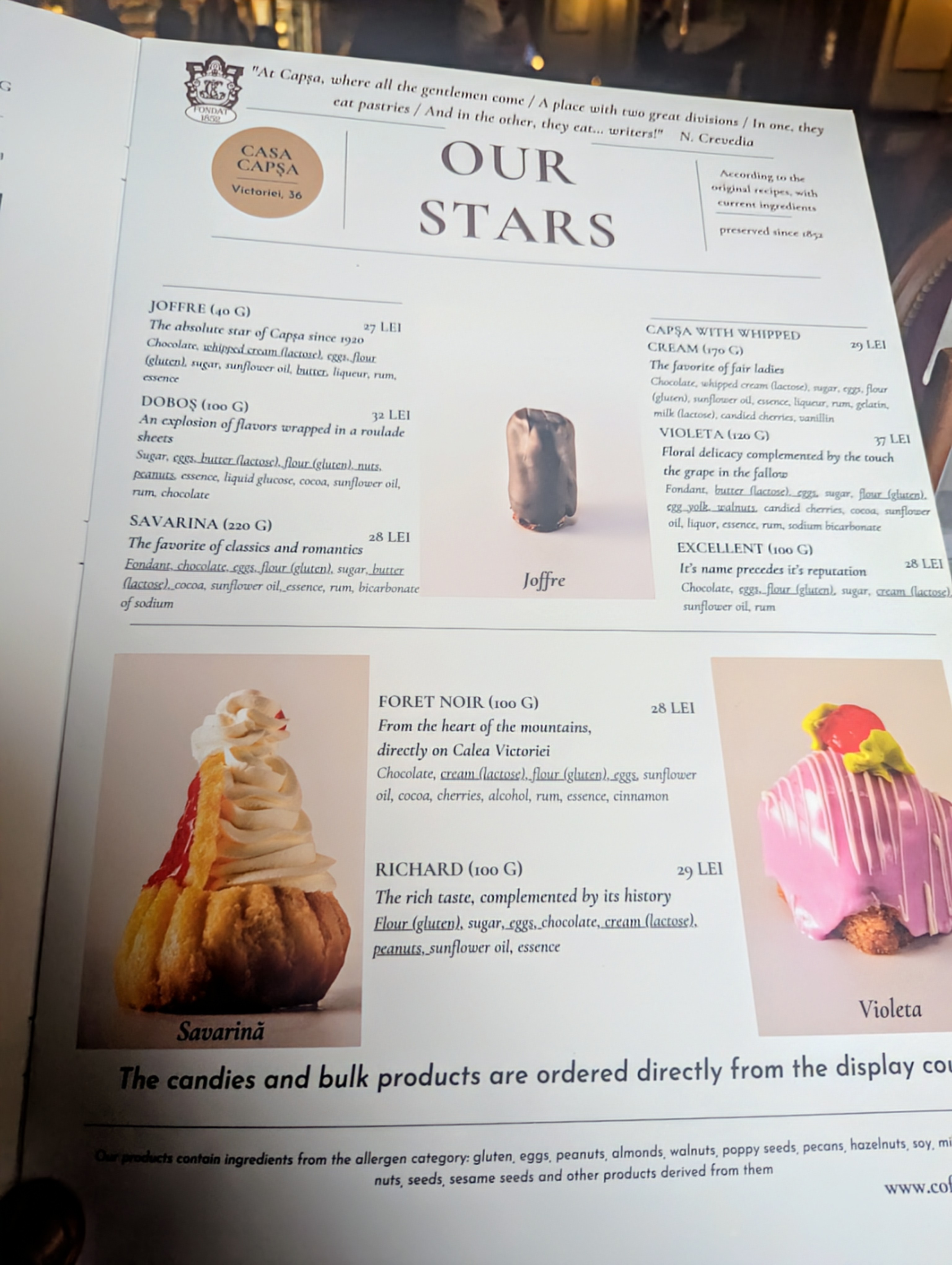
That famous Joffre, (left above) a chocolate buttermilk layer cake filled with chocolate ganache and frosted with chocolate buttercream, cost getting on for a fiver, about the same as a 400ml glass of 6% DIPA. But was it worth it ?
In contrast the museums and concert halls are a bargain,
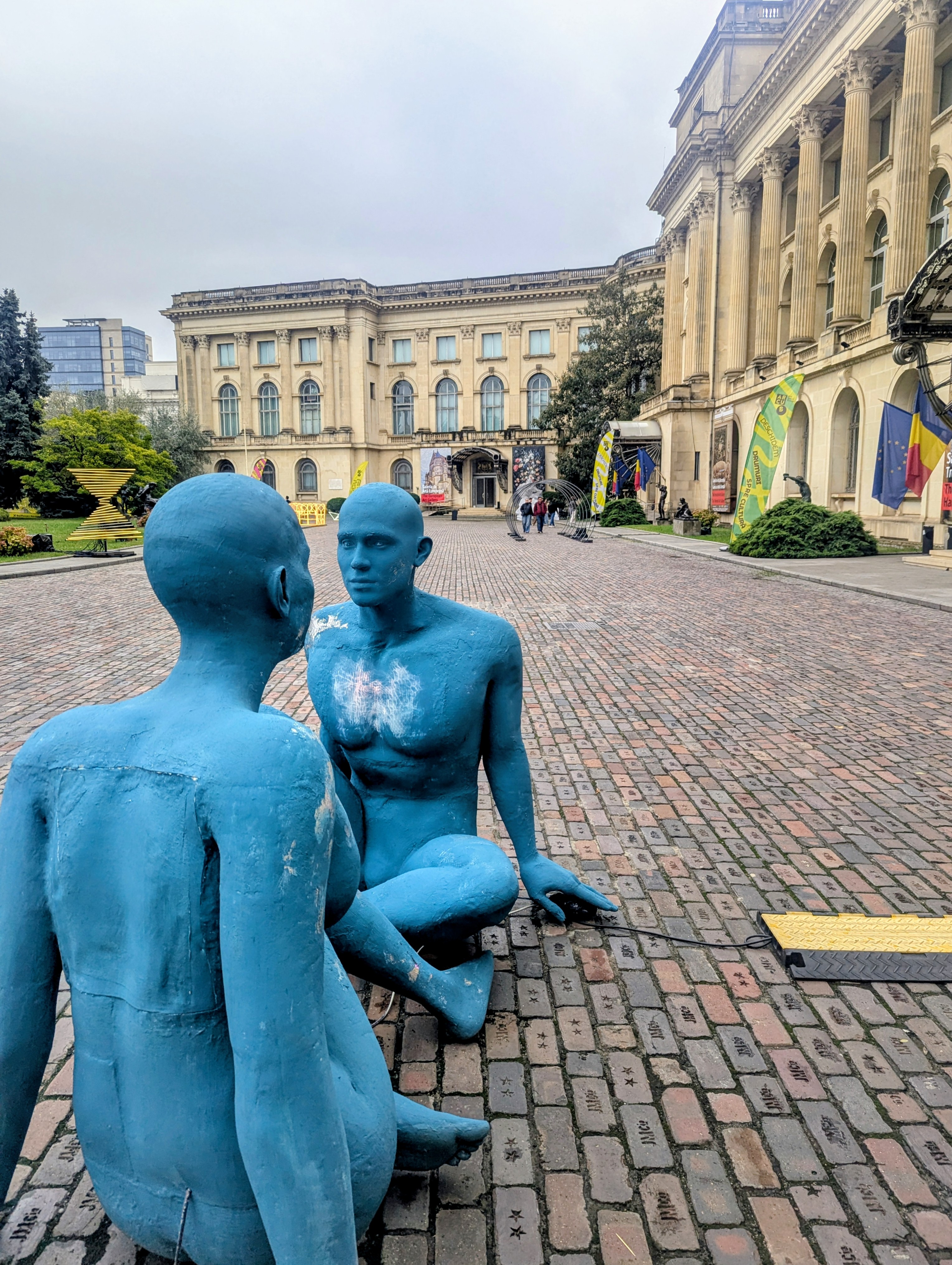
and it’s a great place for street art,
though the formal galleries in the National Museum are a bit too formal.
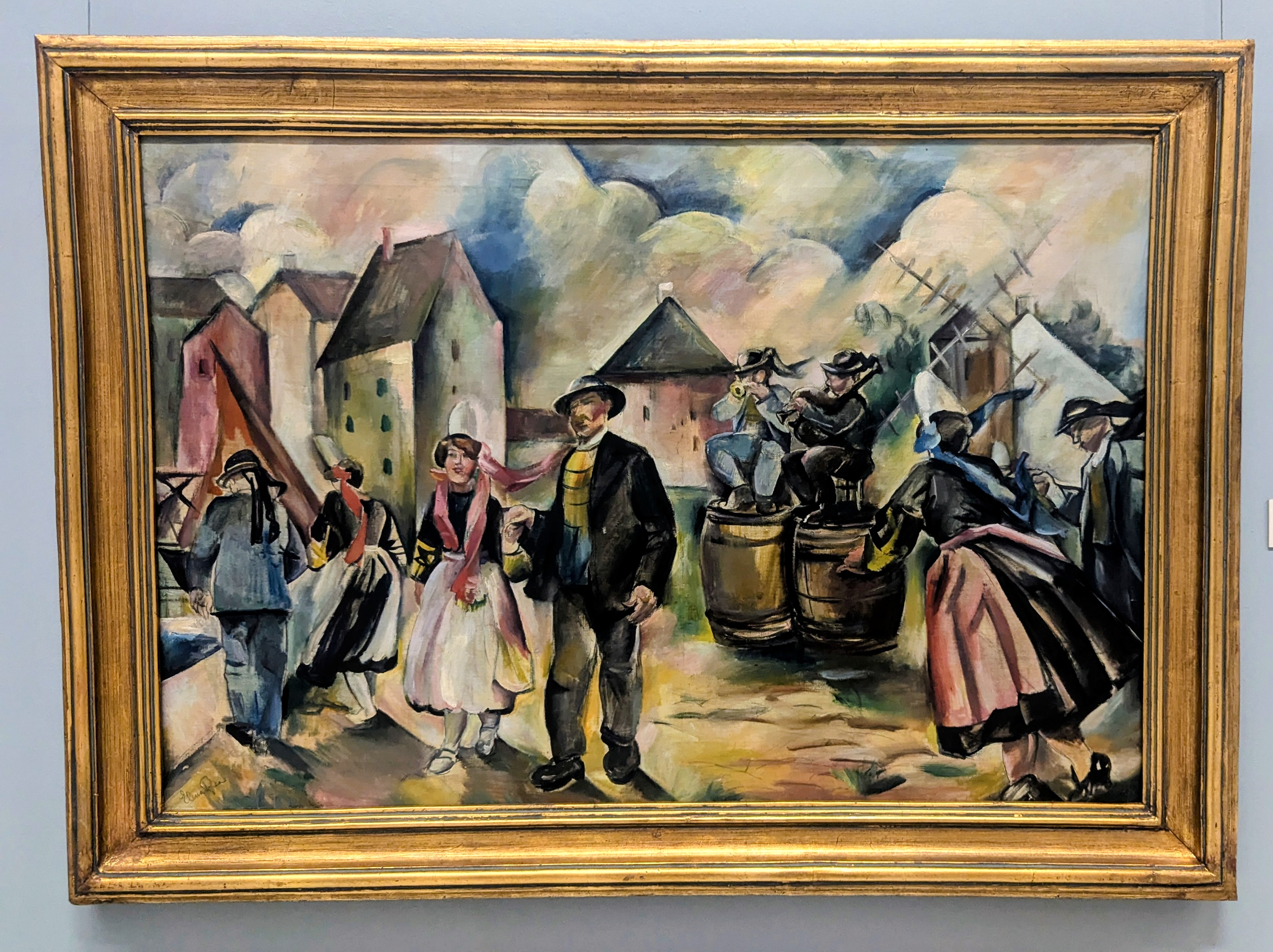
Nice colours, though.

 retiredmartin
Casa Capsa reminds me of the Majestic Cafe in Porto. https://www.cafemajestic.com/en/Utilities/Homepage.aspx
LikeLiked by 1 person
Yes, I can see the similarity, Jon.
LikeLike
I think the Casa Capsa would have been the hunt of Beautiful people at the turn of the 20t Century or end of the 19th not the turn of the 19th when Wallachia was still firmly in the Ottoman Empire.
I speak as someone who uses their copy of the 1978 edition of the Times Atlas of World History as bedtime reading..
LikeLike
Can’t even trust Wikipedia now, let alone this blog !
LikeLike