May 2023.
With Evesham out of reach, the next pub was only a penultimate Worcestershire tick, and the biggest question about the Blakedown was whether I’d actually been to the Swan before and forgotten to record it on The Spreadsheet.
For the A456 from Birmingham to Kidderminster (I believe Life After Football used to walk it daily to train) is packed with roadside dining pubs, particularly around the Clent Hills.
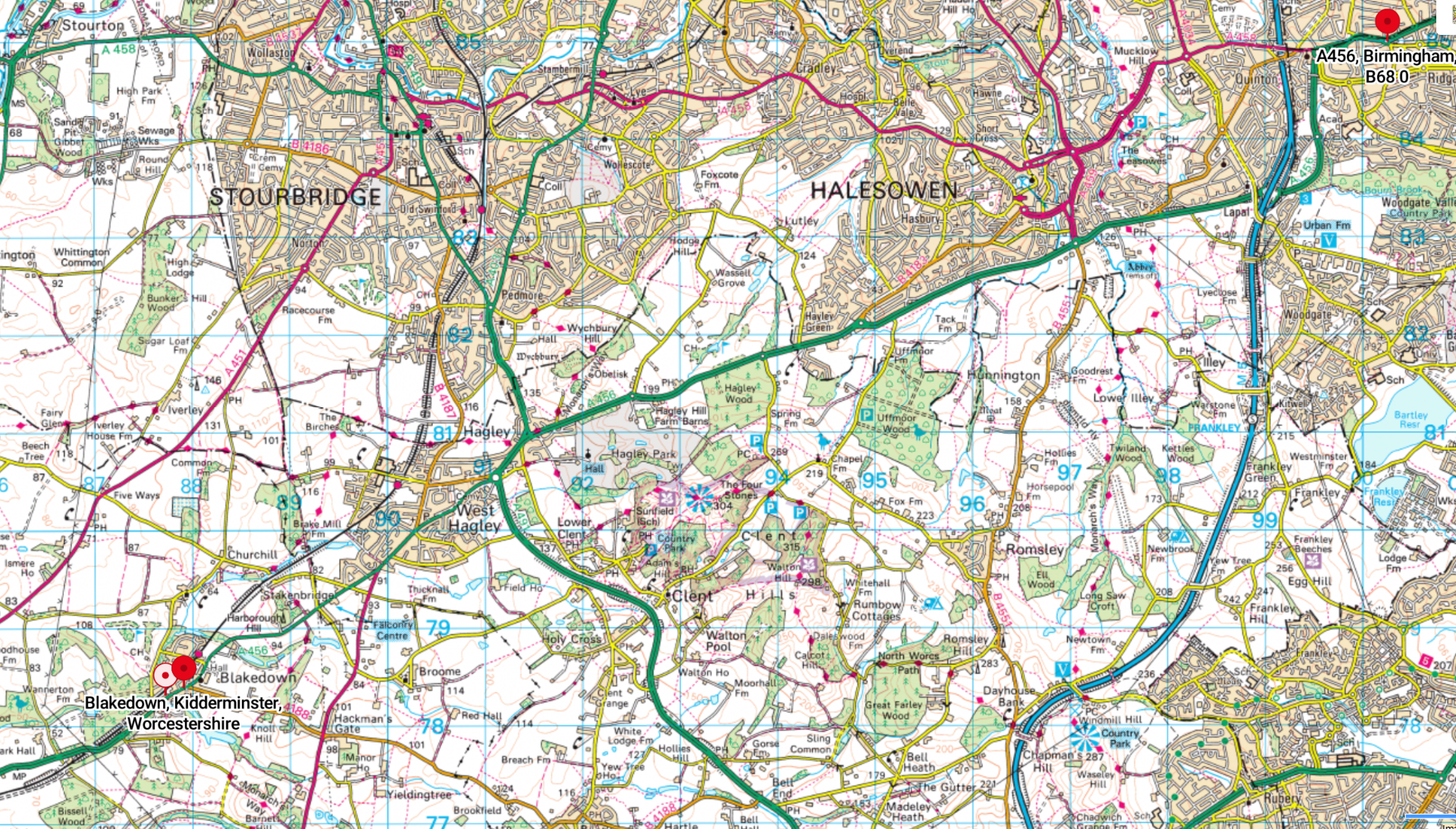
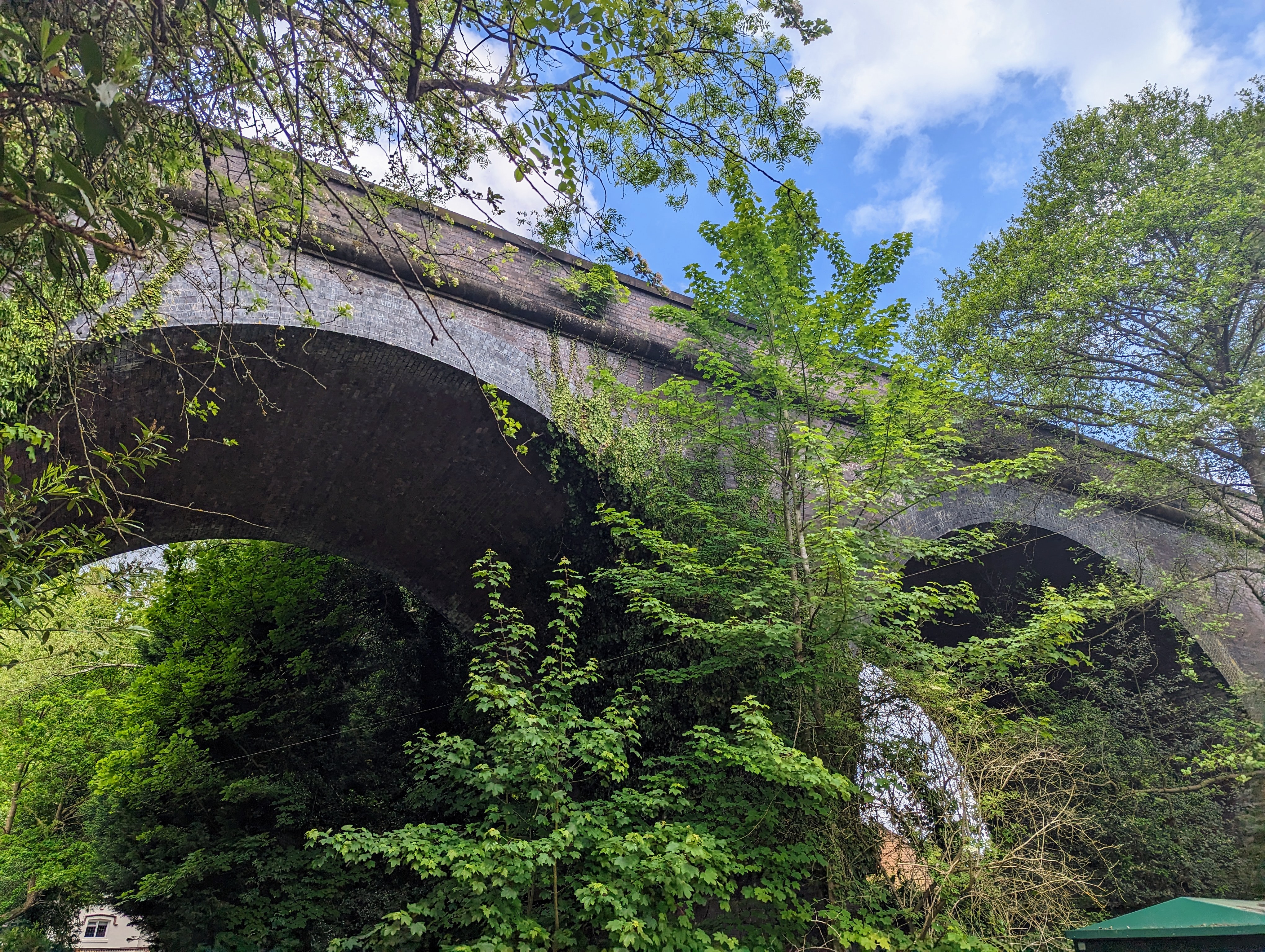
A quick reccie confirmed to me satisfaction this was a new tick, and I set off to bring you highlights of Blakedown. Sewage works, golf club, ultra-rare railway arches WITHOUT a brewery tap,
and a string of attractive pools up a gentle hill Mrs RM would have appreciated.
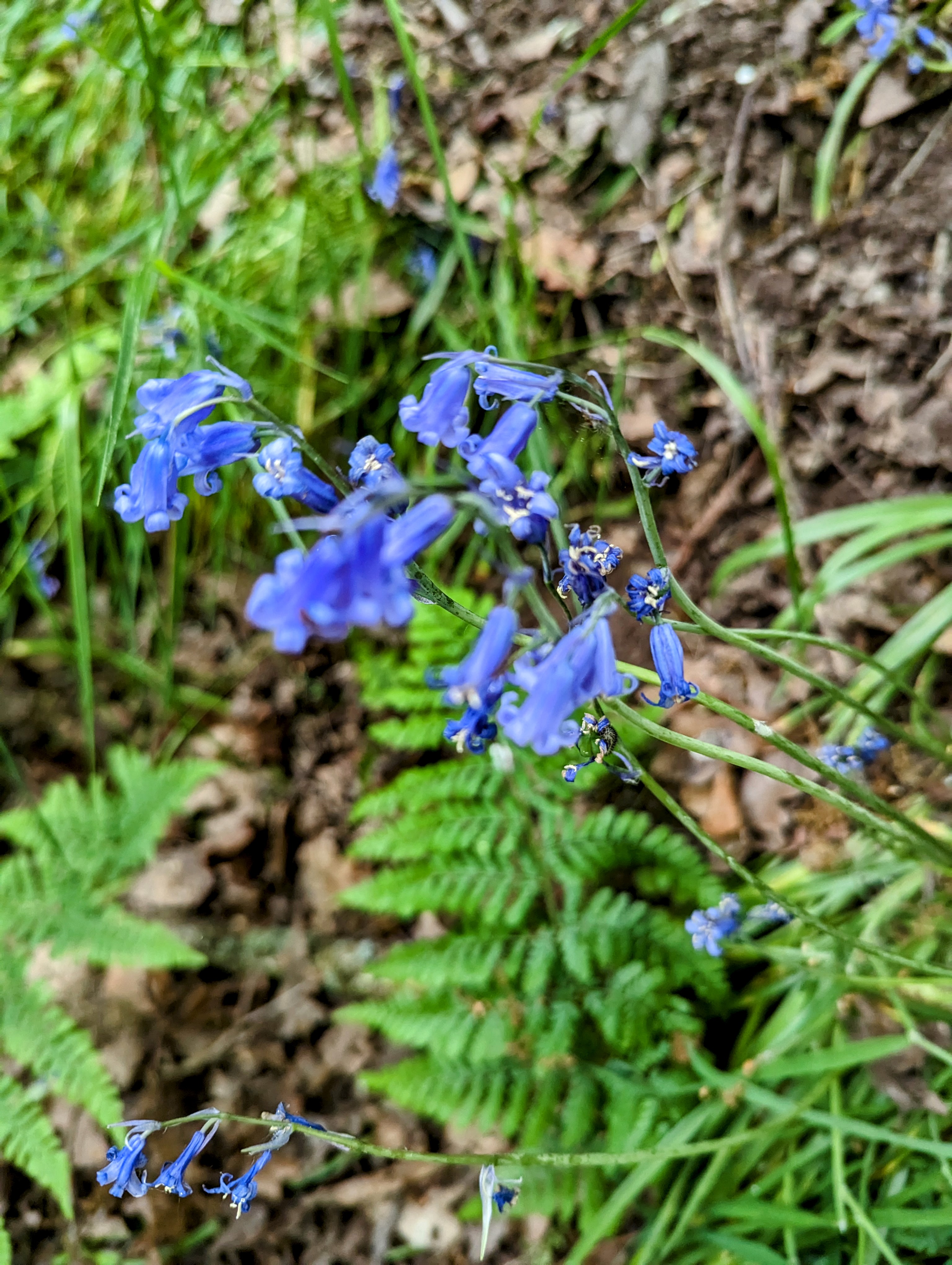
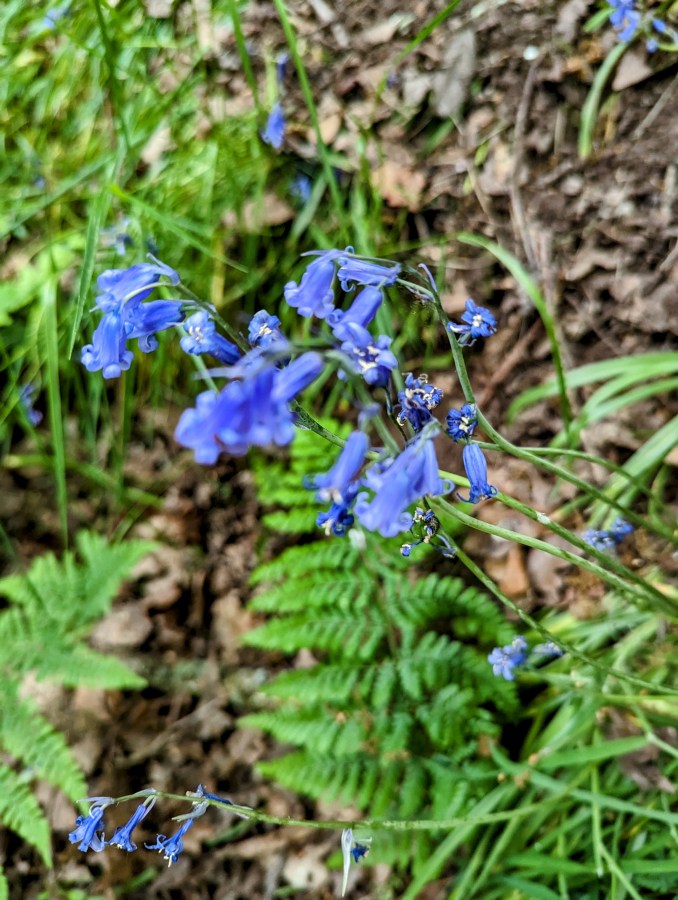
You don’t get photos of those things (I believe they’re “flowers”) on BRAPA.
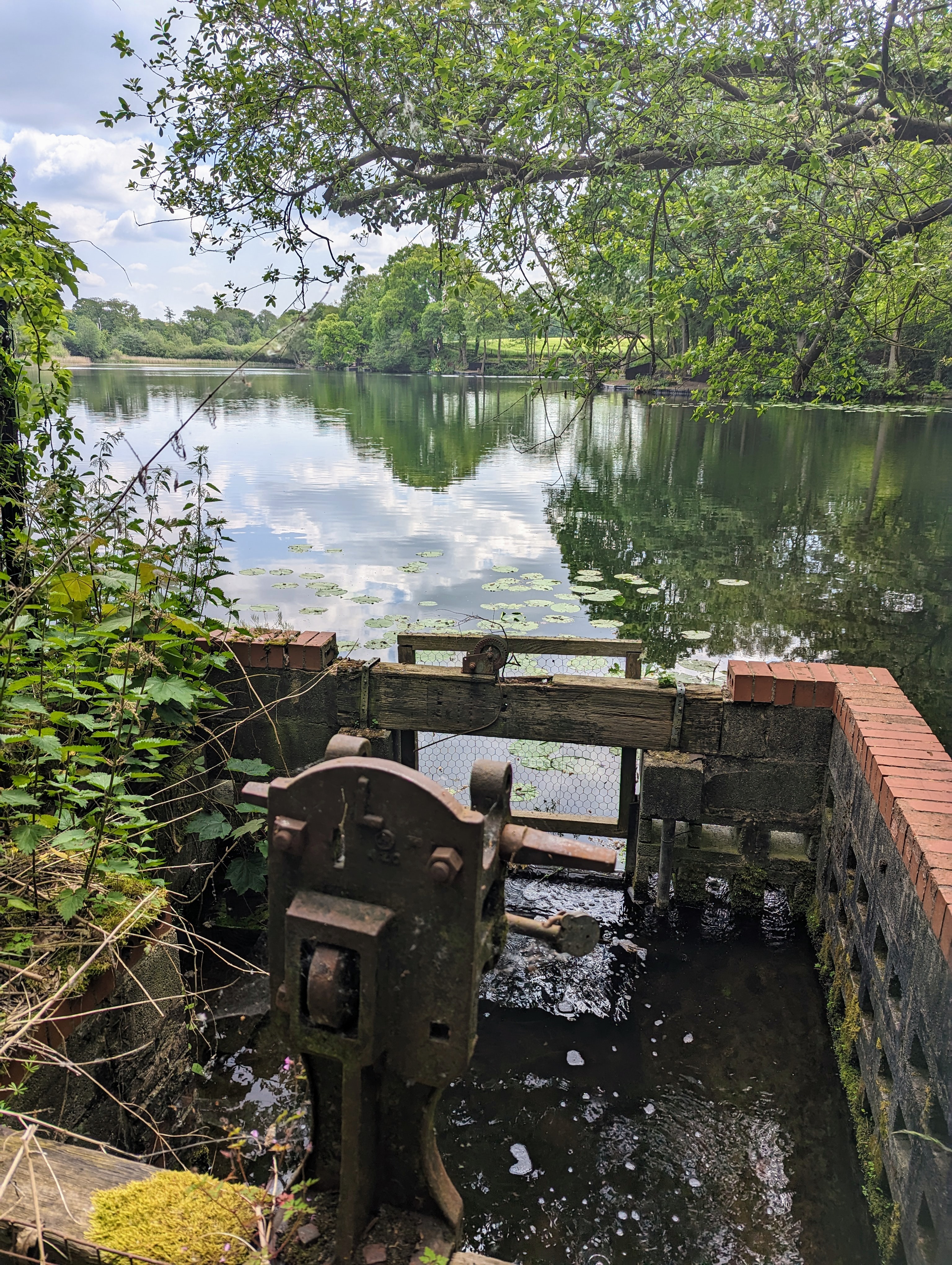
Never met a soul in 30 minutes, though I sense the net curtains of Halfshire Lane twitching.

Truly, May is the time to bucolic Britain at its blooming best.
Lunchtime is a trick time to visit pubs, mind.
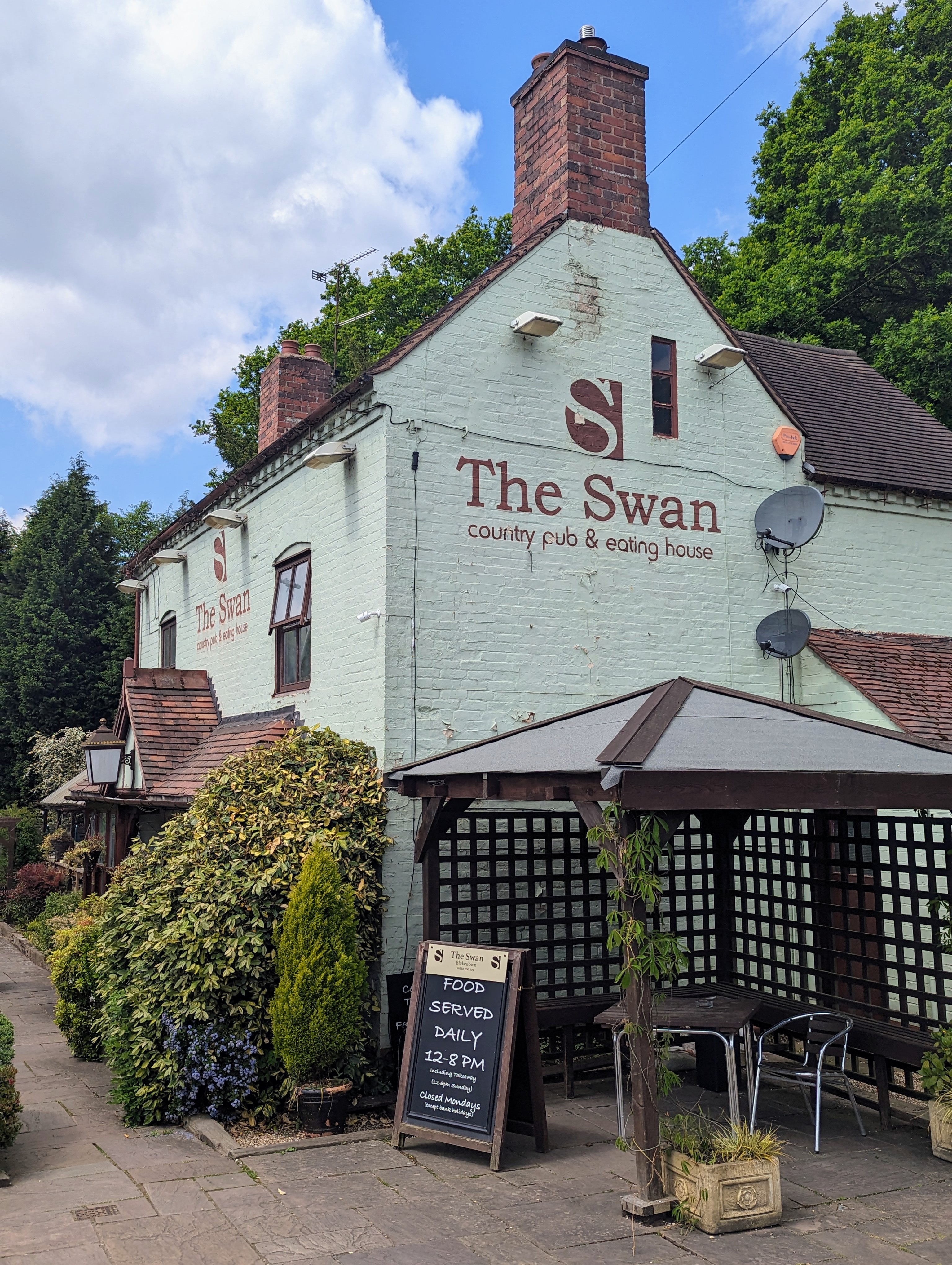
The phone is ringing but the callers are after a table for “Jenkins” on Friday night, and I’m the only taker for the tight beer range.
“There ya go darlin” says the landlady, not the least annoyed I’ve disturbed the peace for a half.
It’s a cheery place, perhaps the scatter cushion quota a bit over-enthusiastic,
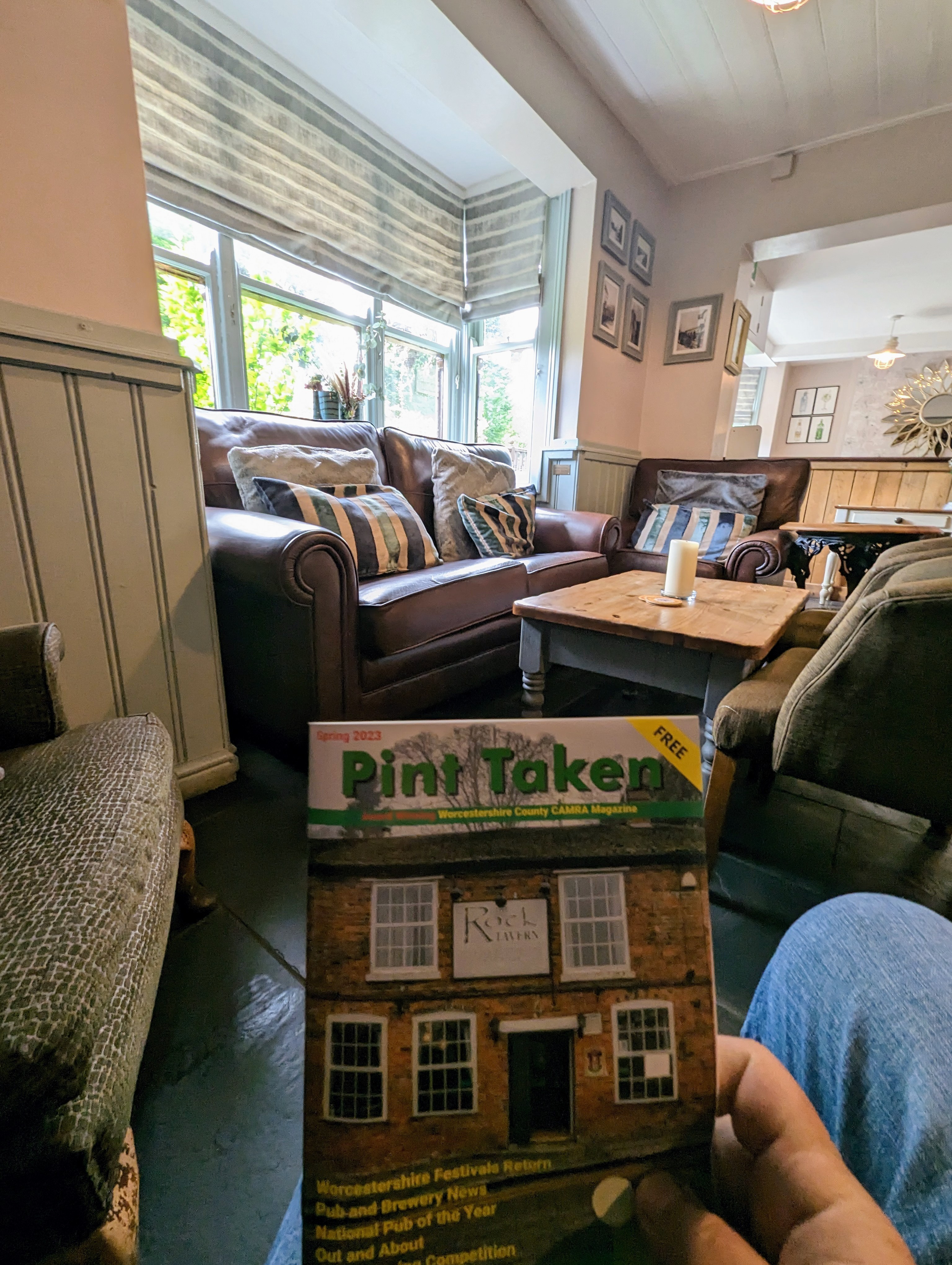
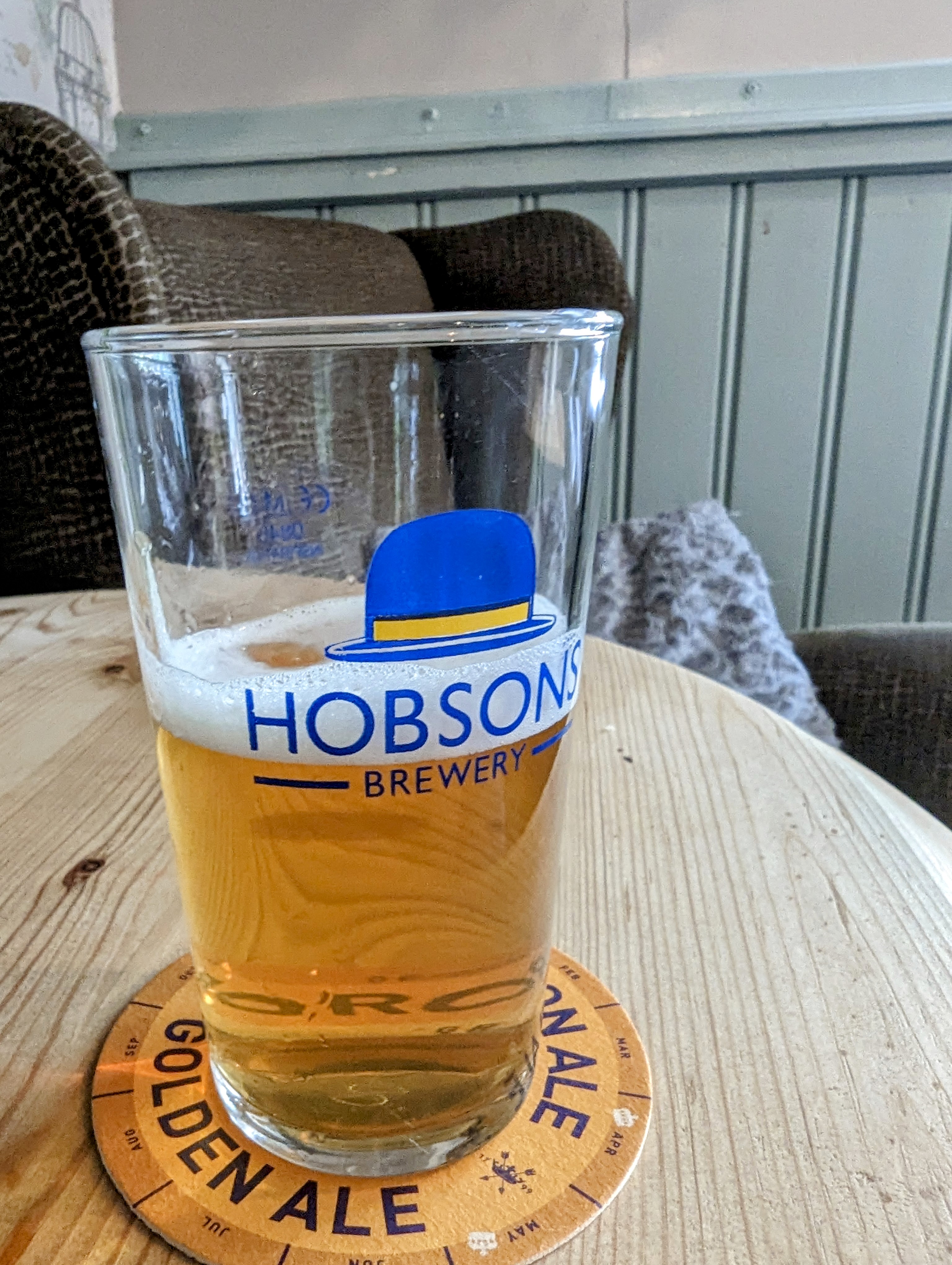
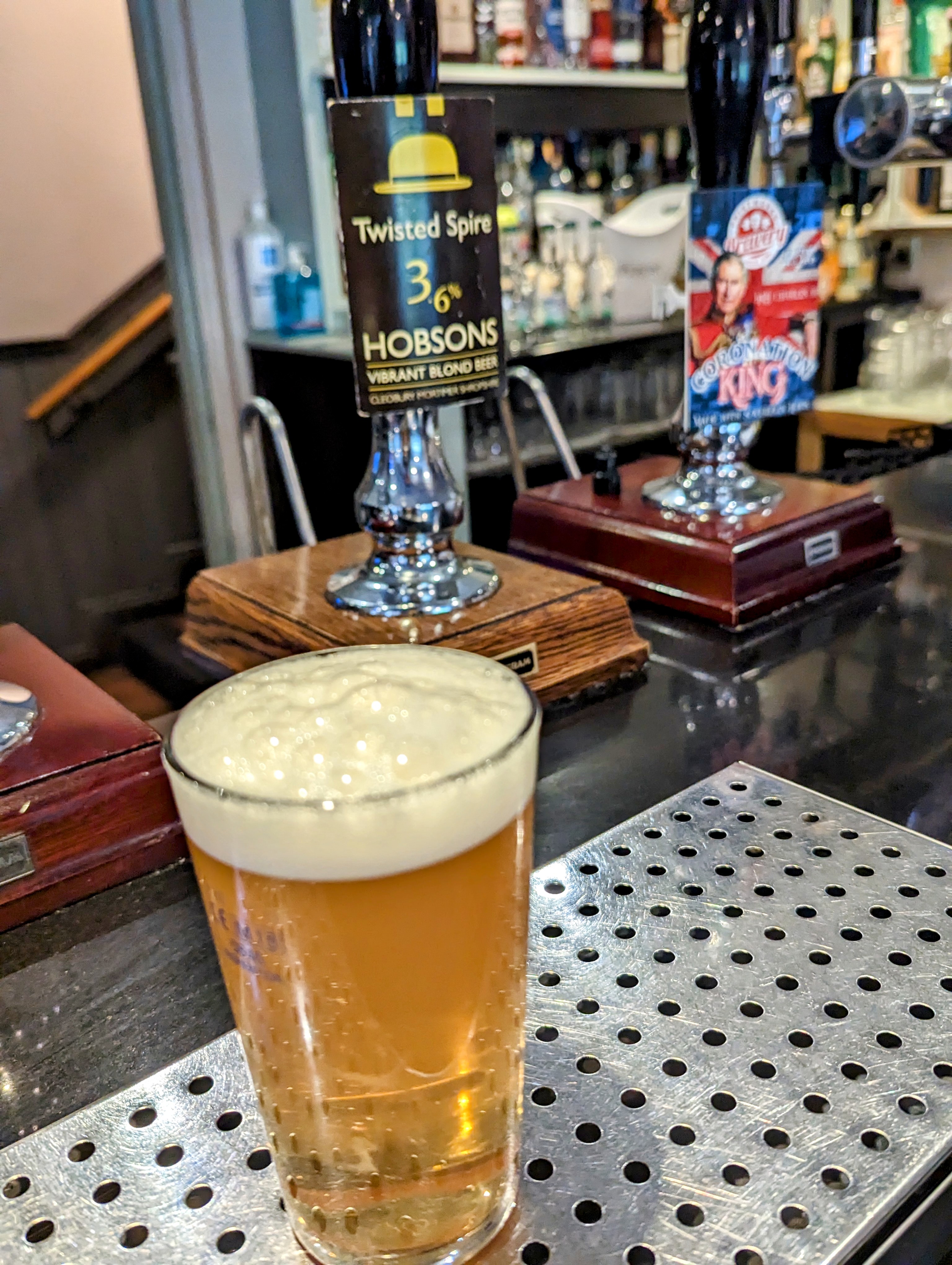
but the Twisted Spire is cool and rich (NBSS 3+) and my only regret is that they were playing “7 Days” and I didn’t make an official complaint at the time.


You have made flower photos a special thing. Nice touch really.
LikeLiked by 1 person
Worcestershire and Shropshire have great flowers.
LikeLike
Shropshire is a magical county.
LikeLiked by 2 people
Just a shame that those rhododendrons, purple, are so dreadfully invasive in our native woodlands.
LikeLike
Controversial. I think.
LikeLike
Yes, rhododendrons are prettier than giant hogweed or Japanese knotweed but there are 36 species of invasive alien plants that are listed as species of special concern because of their invasiveness and them causing severe problems for native UK plants and the environment.
LikeLiked by 1 person
Thank you kindly Sir.
Verbena bonariensis is listed as such a plant in many countries, but – please correct me if I’m wrong, but that is seldom the case – it is still welcome in Britain for the time being.
LikeLiked by 1 person